Key Points
- Route race: horse race generally >1 mile; emphasizes stamina, endurance, strategic pacing over raw speed.
- Versus sprints, longer distance lets horses/jockeys settle, find rhythm, and time late-stage bids.
- Typical dynamics: steadier early pace to conserve energy; endurance can outweigh “lightning-fast” acceleration.
- Jockey tactic is pivotal: judge when to advance/hold; premature move risks fatigue before finish.
- Route-suited horses stay relaxed/balanced over ground; longer stride, efficient breathing, mental composure amid pace/position changes.
- Handicapping route races: check past-performance results at similar/slightly shorter distances; map running style (front-runner/stalker/closer); weigh trainer/jockey experience and strategy.
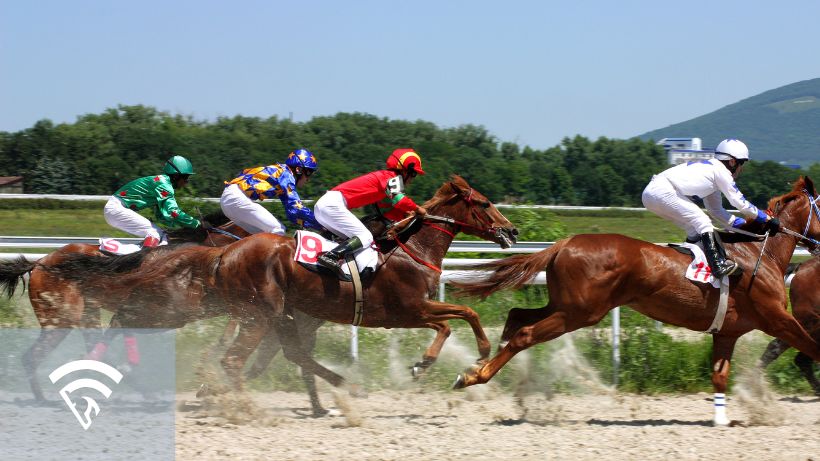
A route race in horse racing is a longer event, generally extending beyond one mile. These races test stamina, endurance, and strategic pacing rather than focusing solely on raw speed. Compared to shorter sprints, route races give horses and jockeys more time to settle into a comfortable rhythm, position themselves strategically, and make a well-timed bid for the lead in the latter stages of the race.
Characteristics of Route Races
In route races, patience and careful strategy come into play:
- Steady Pace: Horses often start at a more measured pace, conserving energy for a strong finish.
- Tactical Riding: Jockeys must judge when to push forward and when to hold back, as a premature move can lead to fatigue before the finish line.
- Greater Impact of Endurance: Stamina is key, and horses that maintain their strength over distance stand out, even if they lack lightning-fast acceleration.
How Horses Perform in Route Races
Some horses naturally excel in route races due to their ability to stay relaxed and balanced while covering more ground. These distance-oriented runners often have longer strides, efficient breathing, and the mental composure to handle changes in pace and position. Breeding can also hint at a horse’s aptitude for longer distances, as certain bloodlines are known for stamina.
Handicapping Route Races
When analyzing route races:
- Past Performances: Look for horses with proven success at similar or slightly shorter distances, suggesting they can handle additional ground.
- Running Style: Consider whether a horse is a front-runner, stalker, or closer, and how well that style might fare with a longer run-up to the finish.
- Trainer and Jockey Factors: The experience and strategy of a horse’s connections can greatly influence performance over longer distances.
Expand your understanding of route races with EquinEdge’s advanced metrics and insights. By leveraging real-time data, historical trends, and performance indicators, EquinEdge empowers you to make more informed wagers and discover value where others might overlook it. Try EquinEdge and elevate your confidence at the betting window.
FAQs
What distance qualifies as a route race in horse racing?
A route race is generally any race run at a distance beyond one mile.How is a route race different from a sprint?
Route races emphasize stamina, endurance, and pacing strategy, while sprints focus more on early speed. They also give horses and jockeys more time to settle and time their move.What pace patterns are common in route races?
The early pace is often steadier and more measured as horses conserve energy. Many races are decided by a well-timed move in the later stages.What kind of horse tends to do well in route races?
Horses that can stay relaxed and balanced over longer distances often perform best. Traits mentioned include longer strides, efficient breathing, and mental composure when the pace changes.Does breeding matter when evaluating route race potential?
It can, since certain bloodlines are known for stamina. Breeding may offer clues about whether a horse is suited to longer distances.What should I look for in past performances when handicapping a route race?
Look for horses with proven results at similar distances, or at slightly shorter distances that suggest they can handle added ground.How does running style affect a horse’s chances in a route race?
Consider whether the horse is a front-runner, stalker, or closer and how that style fits a longer run to the finish. The extra distance can change how effective each style is.Why do trainer and jockey choices matter more in route races?
Route races require patient, tactical decisions about when to move and when to wait. A premature move can leave a horse fatigued before the finish.