Key Points
- Sprint race (horse racing) = short distance event, typically ~5–7 furlongs; 1 furlong = 1/8 mile.
- Sprint dynamics: immediate speed out of gate; tight tactics/positioning; little room for error, minimal time to recover.
- Early break is decisive: sharp gate break yields advantage; hesitation/slow break can be hard to overcome.
- Successful sprinters: explosive early speed + agility; accelerate quickly; maintain high cruising/top speed over entire race; stamina less critical.
- Trainer/jockey approach: tailor conditioning and strategy to maximize burst speed; short distance magnifies importance of a good start.
- Handicapping pathway: check past performance at similar distances/conditions; favor consistent early-speed running styles; adjust for track bias (rail/outside/running-style).
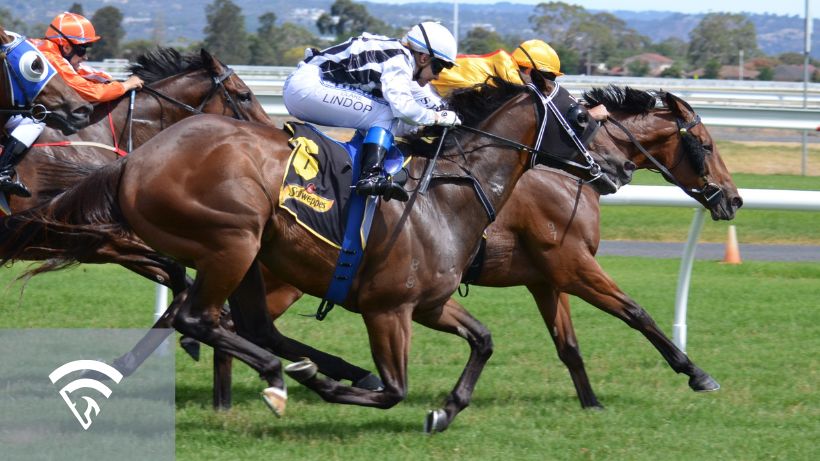
A sprint race in horse racing is a shorter event, typically ranging from about five to seven furlongs (a furlong equals one-eighth of a mile). These quick, intense contests demand immediate speed out of the gate and leave little room for error. Horses that excel in sprint races usually possess explosive early speed and agility, which helps them gain position and maintain a fast pace through the finish line.
Characteristics of Sprint Races
Short distances mean that tactics and positioning are crucial:
- Early Break: A horse that breaks sharply from the gate has a significant advantage in a sprint. Those that hesitate may struggle to catch up.
- Sustained Speed: Successful sprinters can hold their top speed for the entire race, as there’s often no time to settle or conserve energy.
- Limited Recovery Time: Unlike longer races where horses can relax and make a late run, sprints offer no such luxury. It’s all-out from start to finish.
How Horses Perform in Sprint Races
Horses with strong, muscular builds and a natural inclination to run near the front often excel at sprint distances. Their ability to accelerate quickly and maintain a high cruising speed is more important than long-distance stamina. Trainers and jockeys will tailor conditioning and strategy to hone a horse’s burst of speed, knowing that the short race length magnifies the importance of a good start.
Handicapping Sprint Races
When betting on a sprint race, consider:
- Past Performance: Look at how horses have fared at similar distances and conditions.
- Running Style: Horses that consistently break well and show early speed may have an edge.
- Track Bias: Some tracks may favor outside posts, rail positions, or specific running styles at shorter distances.
EquinEdge can help you gain deeper insights into sprint races by providing data-driven analysis, performance metrics, and personalized recommendations. Discover how EquinEdge’s tools can fine-tune your betting strategy and elevate your confidence in choosing the right sprinter for your next wager.
FAQs
How long is a sprint race in horse racing?
A sprint is a short race, typically about five to seven furlongs. One furlong equals one-eighth of a mile.Why does the start matter so much in a sprint?
Because the distance is so short, a sharp break can provide an immediate advantage. Horses that hesitate early may not have enough time to recover and catch up.What traits make a horse better suited to sprint races?
Sprinters often have explosive early speed, agility, and the ability to maintain a fast cruising speed. Long-distance stamina is less important than quick acceleration and sustained speed.Do sprint races allow for late-running closing kicks like longer races?
Usually not, because there’s limited recovery time and little room to settle. Sprints tend to be fast and intense from start to finish.What should I look at when handicapping a sprint race?
Focus on past performance at similar distances and conditions, plus the horse’s running style—especially how well it breaks and shows early speed. Also consider whether the track favors certain posts or running styles at shorter distances.How can track bias affect sprint race outcomes?
Some tracks may favor outside posts, the rail, or specific running styles in sprints. Since tactics and positioning are crucial, a bias can amplify the advantage of certain trip setups.How can EquinEdge help with sprint race analysis?
It provides data-driven analysis, performance metrics, and personalized recommendations to help you evaluate sprint contenders. The goal is to fine-tune betting decisions based on insights beyond basic observations.