Key Points
- Turf tracks = grass-covered racecourses, common in Europe/Asia/parts of North America; surface differs from dirt/synthetic, affecting speed, footing, strategy.
- Turf conditions vary by grass type, climate, maintenance; grass quality (root depth/health) influences grip and stride.
- Weather sensitivity: rainfall/irrigation change firmness; firm turf favors early speed, soft turf may favor late closers.
- Course configuration: sweeping turns + undulating terrain require horses/jockeys to adapt tactics.
- Turf performance: forgiving surface may reduce joint impact; agility, balance, strong finishing kick often advantageous; pedigree/bloodlines can signal turf aptitude.
- Handicapping pathway: research pedigree, monitor turf firmness/softness, and compare prior turf form to project repeatable grass success.
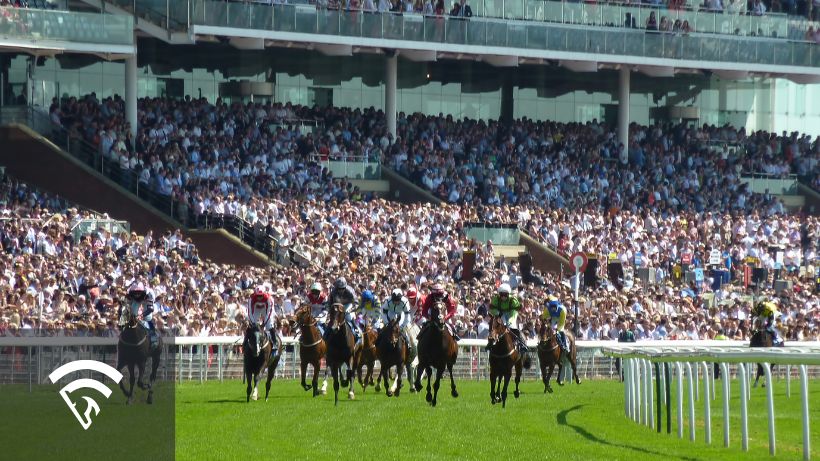
Turf tracks in horse racing are grass-covered courses commonly found in Europe, Asia, and parts of North America. This natural surface creates a unique racing environment that differs markedly from dirt or synthetic tracks. Often praised for their beauty and tradition, turf courses can influence a horse’s speed, footing, and racing strategy. Many famous international races, such as those at Royal Ascot or the Melbourne Cup, are contested on turf, adding to the surface’s global prestige.
Characteristics of Turf Tracks
Turf racing conditions vary based on grass type, climate, and maintenance:
- Grass Quality: The type of grass, root depth, and overall turf health affect a horse’s grip and stride.
- Weather Sensitivity: Rainfall and irrigation significantly influence the firmness of the turf. A “firm” turf often favors horses with early speed, while a “soft” turf may assist horses that prefer to close from behind.
- Course Configuration: Many turf courses feature sweeping turns and undulating terrain, requiring horses and jockeys to adapt their strategies.
How Horses Perform on Turf Tracks
Some horses excel on turf due to its forgiving nature and reduced impact on their joints. Horses that rely on agility, balance, and a strong finishing kick often thrive when racing on grass. A horse’s pedigree may also hint at its turf potential, as certain bloodlines are known to produce better turf runners.
Handicapping Turf Races
When analyzing turf races:
- Pedigree Research: Investigate breeding lines to identify horses that are well-suited for grass racing.
- Track Conditions: Monitor the firmness or softness of the turf, as this can favor different running styles and affect times.
- Previous Form: Consider how horses performed in prior turf races. A horse that excelled on grass before may replicate that success.
With EquinEdge's powerful handicapping tools, you can dive deeper into turf-specific data and uncover patterns that others might miss. Explore racing histories, track conditions, and performance metrics to gain the confidence you need for more informed wagering decisions. Try EquinEdge and elevate your approach to handicapping turf races today.
FAQs
What exactly is a turf track in horse racing?
A turf track is a grass-covered racing surface. It’s common in Europe and Asia and is also used at some tracks in North America.How is turf different from dirt or synthetic surfaces for horses?
Turf creates a different footing that can change a horse’s speed, grip, and overall race strategy. Some horses handle turf well because it’s described as more forgiving with reduced impact on joints.How do weather and watering change how a turf course plays?
Rainfall and irrigation can make the turf firmer or softer. Firm turf often favors early speed, while soft turf may help horses that close from behind.What does “firm” vs. “soft” turf mean for running style?
Firm turf tends to suit horses that can get into a forward position early. Softer turf can benefit horses that finish strongly late.Why do turf courses require different tactics from jockeys?
Many turf courses have sweeping turns and may include undulating terrain. That configuration can demand more adaptability in positioning and timing.What traits tend to help a horse succeed on turf?
Horses with agility, balance, and a strong finishing kick often thrive on grass. Turf ability can also be suggested by pedigree, since some bloodlines are known for producing better turf runners.What are the key things to look at when handicapping a turf race?
Focus on pedigree for turf suitability, the current track firmness/softness, and prior performance on turf. Horses that have previously excelled on grass may be more likely to repeat that success.