Key Points
- A figure-eight noseband, or grackle, crosses the horse's nose in an X shape to stabilize the mouth and bit contact.
- The design positions the lower strap higher than standard cavessons, preventing restriction of the horse's nostrils during heavy exertion.
- Trainers select this equipment to discourage horses from gaping their mouths, tossing their heads, or getting their tongues over the bit.
- Proper fit requires a secure but not overly tight adjustment, with padding used to protect the nasal bridge from rubbing.
- First-time use of a figure-eight noseband can be a positive handicapping angle for horses with past steering or head-tossing issues.
- Bettors should analyze post-change workouts and paddock behavior to confirm if the equipment has successfully settled the horse.
What Is a Figure-Eight Noseband?
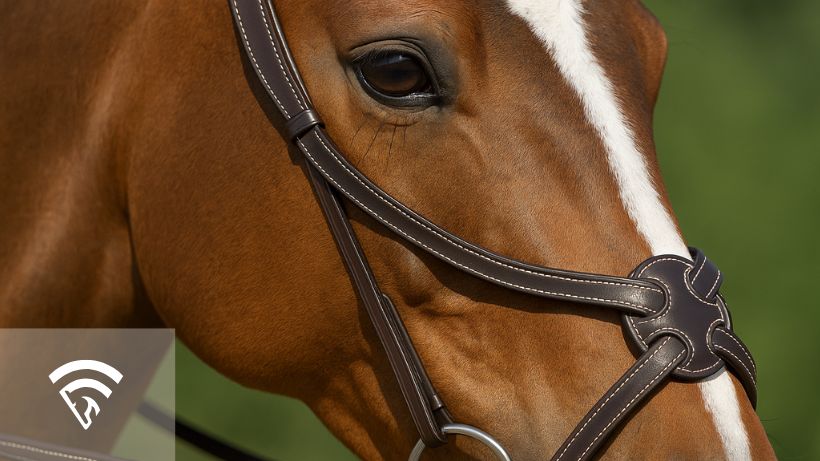
A figure-eight noseband (also called a grackle) is a bridle attachment that crosses over the horse’s nose in an “X” and fastens behind the jaw. It helps keep the mouth closed enough for steadier bit contact and positions the lower strap higher than a standard cavesson so it doesn’t restrict nostril flare. In racing, it’s used to promote focus, consistent head carriage, and more efficient breathing at speed.
What It Does
- Stabilizes the mouth: Limits gaping and getting the tongue over the bit, which can interrupt rhythm.
- Encourages cleaner airflow: The cross and lower strap sit higher on the nose, leaving nostrils freer to flare under exertion compared with some traditional nosebands.
- Supports straight travel: A steadier contact can reduce drifting and head tossing for some horses.
How It’s Fitted
- The upper strap crosses the bridge of the nose; the lower strap passes under the bit and fastens behind the jaw.
- Fit should be secure but not tight. You should be able to slip a couple of fingers under the straps. Too tight risks discomfort or rubbing; too loose won’t stabilize the mouth.
- Padding at the cross point protects the nasal bridge. Materials vary from leather to synthetic with fleece or gel padding.
When Trainers Choose It
- A horse plays with the bit, opens its mouth, or loses focus in traffic.
- A horse needs steadier head carriage without pinching nostrils.
- As an alternative to a plain cavesson or flash when nostril freedom is a priority.
Rules and Welfare Notes
- Generally permitted but subject to local equipment rules and pre-race inspection.
- Some jurisdictions require equipment to be declared on program lines; publication practices can vary.
- Proper fit and clean padding reduce rubs on the nasal bridge and corners of the mouth.
Handicapping Considerations
- First-time figure-eight can be a small positive angle if past lines show head tossing, sudden fades without clear fitness cause, or trouble keeping a straight path.
- Look for post-change workouts that are steadier or a touch faster, suggesting improved comfort.
- Don’t assume automatic improvement. Evaluate alongside distance, pace setup, rider change, and recent conditioning.
Quick Fan Tips
- Watch the post parade for calmer mouth behavior and a more settled head.
- Note barn patterns. Some trainers use figure-eights routinely; the signal is stronger when it’s an exception, not their default.
Ready to combine smart equipment reads with data and replays? Sign up and add objective analysis to your race-day decisions.
Figure Eight Noseband Guide FAQs
What is a figure-eight noseband?
A figure-eight noseband is a specialized bridle attachment that crosses over the horse's nose in an "X" shape and fastens behind the jaw. It is designed to stabilize the horse's mouth, promote consistent head carriage, and support steady bit contact without restricting breathing during high-speed exertion.
How does a figure-eight noseband work on a horse?
The noseband works by crossing the bridge of the nose, with the lower strap passing under the bit and fastening behind the jaw. This configuration limits the horse from gaping its mouth, tossing its head, or getting its tongue over the bit. Because the lower strap sits higher than a standard cavesson, it leaves the nostrils free to flare fully under heavy exertion.
Why do racehorses and performance horses wear a figure-eight noseband?
Trainers choose this equipment to improve focus, encourage straight travel, and prevent horses from fighting the bit or drifting. It is especially useful for horses that tend to open their mouths, toss their heads, or lose focus in traffic, providing a steadier head carriage while ensuring maximum airflow.
What is another name for a figure-eight noseband?
A figure-eight noseband is also commonly referred to as a grackle noseband.
How does a figure-eight noseband differ from a standard noseband?
Unlike a standard cavesson, which sits straight across the nose and can sometimes restrict the nostrils when tightened, a figure-eight noseband features an "X" design. This design positions the lower strap higher up on the nose, keeping the nostrils completely clear for optimal breathing while still stabilizing the mouth.