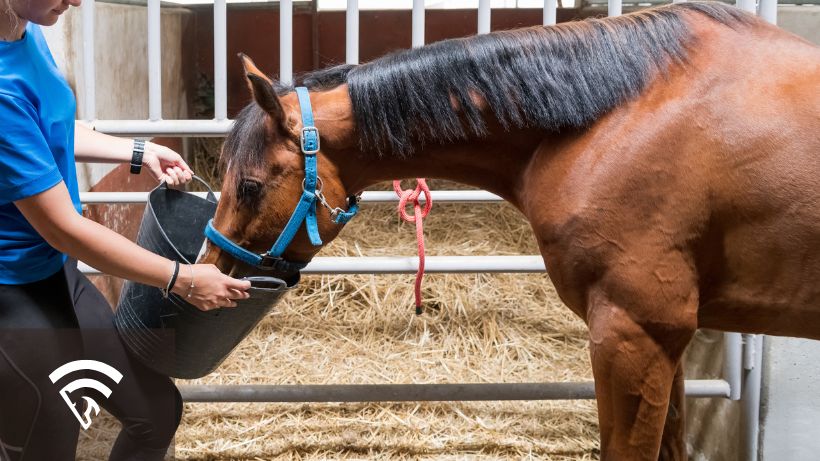
What is Racing Feed in Horse Health & Physiology?
Racing feed is a specialized diet formulated to meet the high energy, muscle recovery, and metabolic demands of performance horses in training and competition. It typically combines a forage-based foundation with carefully balanced concentrates, fats, proteins, vitamins, and minerals to support speed, stamina, digestion, and recovery. When properly designed, racing feed fuels athletic performance without overloading the horse with excess starch and sugar that can increase digestive and behavioral risks.
Racehorses are elite athletes, and their feeding plans must reflect that reality. Nutrition affects everything from body condition and muscle development to hydration, gut health, and injury resilience.
What is Racing Feed? A Scientific Overview
In horse health and physiology, racing feed refers to a targeted nutritional program designed for horses performing high-intensity exercise. The phrase can mean:
- a commercially formulated “performance feed” (pellets, textured mixes, or extruded feeds)
- a stable’s complete ration plan (forage + concentrates + supplements)
- a discipline-specific feeding strategy for Thoroughbreds, Standardbreds, or other racing athletes
What sets racing feed apart is not a single ingredient. It is the combination of nutrient density, energy delivery, and digestive management. Training and racing increase caloric needs and create a heavier demand for muscle repair, electrolyte balance, and antioxidant support.
Racing feed is built around three primary goals:
- Meet elevated energy requirements safely
- Support muscle development and recovery
- Protect digestive health while sustaining performance
Racing Feed vs. Standard Equine Feed
Standard horse feed is designed for general maintenance, light riding, or moderate work. Racing feed is designed for performance output and rapid recovery.
Key differences often include:
- higher calorie density per pound
- higher fat supplementation
- more strategic protein and amino acid content
- additional electrolyte and antioxidant support
- tighter controls on starch and sugar intake in well-managed programs
Many problems start when a racing horse is fed like a “regular horse,” or when the stable increases concentrates without managing forage, timing, and gut stability.
Why Racing Horses Need Specialized Nutrition
From a physiology standpoint, racing produces:
- higher glycogen turnover in muscles
- increased sweat and electrolyte loss
- elevated oxidative stress
- greater risk of gastric ulcers
- higher risk of hindgut disruption when starch is excessive
Nutrition is not a side issue for a racehorse. Feeding strategies directly influence exercise metabolism, temperament, injury risk, and day-to-day consistency.
Core Principles of Equine Nutrition for Racehorses
Before getting into supplements or “performance hacks,” a racing ration has to be grounded in basic equine nutrition.
Even the fastest horse is still a hindgut fermenter. The digestive tract is designed to process forage steadily, not large grain meals.
Forage: The Dietary Base
A forage-based diet is the safest, most physiologically appropriate foundation for racehorses.
Forage provides:
- fiber for hindgut fermentation
- buffering effects for stomach health
- consistent energy release
- improved gut motility and hydration
In training barns, forage is typically hay, haylage, or pasture turnout where possible. The most successful feeding programs prioritize forage intake and then add concentrates to meet energy needs.
General best practice in most programs is to maximize forage first, then use concentrates to fill gaps.
Choosing Safe Concentrates: Starch & Sugar
Concentrates are often necessary in training because a horse cannot always eat enough forage alone to meet energy requirements. The key is choosing concentrates that support athletic output without creating digestive chaos.
High starch and sugar intake is a major risk factor for:
- hindgut acidosis
- loose manure
- behavioral excitability
- reduced appetite
- metabolic stress
- increased ulcer likelihood
A well-designed racing feed typically uses controlled starch sources and may substitute part of the calorie load with fats.
Role of Hydrolyzable Carbohydrates
Hydrolyzable carbohydrates are carbs digested in the small intestine and converted into glucose, supporting glycogen replenishment and quick energy availability.
They matter because:
- glucose availability affects exercise performance
- glycogen stores influence stamina and finish strength
- carbohydrate type and timing influence gut stability
The challenge is balancing useful carbohydrate energy with digestive safety. For many racehorses, excess starch is the tipping point that turns a performance diet into a health problem.
Meeting the Energy Requirements: Balancing Calories, Fats, and Carbohydrates
Racehorses in training have elevated caloric needs, but increasing calories should not mean simply feeding more grain.
A performance ration should aim to provide:
- enough total calories
- a steady energy curve
- minimal digestive disruption
- safe body condition without excess weight
Carbohydrates: Types & Timing
Carbohydrates are not “bad.” They are essential for high-intensity exercise, which depends on muscle glycogen.
The key is managing:
- carbohydrate source (grain type, processing)
- starch load per meal
- feeding schedule
- pairing with forage to slow digestion and stabilize the gut
Large grain meals create spikes and overflow into the hindgut, which is where problems begin.
Fat Supplementation: Source and Benefits
Fat supplementation is one of the most effective tools in racing feed formulation.
Fat can:
- boost calorie density without increasing starch
- support steady aerobic energy metabolism
- reduce “hot” behavior in some horses compared to grain-heavy diets
- improve coat, skin health, and overall condition
Common fat sources include:
- stabilized rice bran
- vegetable oils (carefully dosed)
- commercial high-fat performance feeds
Fat needs time to “train” the metabolism, so it is generally introduced gradually and evaluated over weeks, not days.
Avoiding Excess Starch and Its Risks
Excess starch is a common issue in racing barns due to the pressure to maintain weight and energy. However, too much starch can undermine the exact things it is supposed to support.
Red flags include:
- sour attitude under saddle
- reduced appetite
- loose manure
- frequent colic episodes
- poor coat quality
- inconsistent performance
These issues often trace back to digestive stress. A smarter approach is to use balanced energy delivery, not blunt grain loading.
Protein, Amino Acids, and Muscle Development
Energy fuels the work, but protein rebuilds the athlete.
Protein is essential for:
- muscle repair and development
- topline maintenance
- tissue recovery from training stress
- enzyme and hormone production
A common mistake is assuming “more protein equals more muscle.” The truth is more specific: the right amino acids matter most.
What Protein Builds Topline?
Topline refers to muscle development along the horse’s back, loin, and hindquarters. Nutrition supports topline best when:
- total dietary protein meets needs
- essential amino acids are adequate
- energy intake is sufficient (protein is not burned as fuel)
- training workload supports muscle building rather than breakdown
High-quality protein sources include:
- soybean meal
- alfalfa (also supports calcium balance)
- certain commercial ration balancers
Essential Amino Acids: Lysine, Threonine, Methionine
The limiting amino acid in most equine diets is lysine.
The big three often highlighted for performance horses are:
- lysine (muscle protein synthesis)
- threonine (gut and immune support)
- methionine (skin, hoof quality, protein metabolism)
If amino acids are insufficient, extra crude protein does not fix the problem. It can simply increase waste products and place additional load on metabolism.
Digestive Health: Hindgut Fermentation and Common GI Issues
Racehorses face higher gastrointestinal risk than many other equine athletes. The training lifestyle, stall time, stress, travel, and feeding schedules all contribute.
The biggest GI concerns linked to racing feed include:
- gastric ulcers in racehorses
- hindgut disruption
- colic risk
- inconsistent appetite
Gastric Ulcers in Racehorses: Causes and Prevention
Gastric ulcers are common in performance horses due to:
- meal spacing with long fasting periods
- high concentrate intake
- training stress
- acid exposure without buffering forage
Prevention strategies through feeding include:
- maximizing forage intake
- offering small, frequent meals
- adding alfalfa before exercise (natural buffering)
- limiting large grain meals, especially on an empty stomach
Nutrition is not the only factor in ulcers, but feeding strategy is one of the most controllable parts of prevention.
Optimizing Hindgut Fermentation
Hindgut fermentation depends on stable fiber intake.
When too much starch escapes the small intestine and reaches the hindgut:
- fermentation shifts
- acidity rises
- beneficial microbes decline
- gas and discomfort increase
A racehorse with a disrupted hindgut can look “off,” dull, or inconsistent without an obvious injury.
Supportive strategies often include:
- consistent forage intake
- gradual feed changes
- controlled starch loads
- selecting feeds with digestibility in mind
- probiotics or yeast cultures when appropriate
Hydration, Electrolytes, and Antioxidant Support
Race training creates heavy sweat loss. Sweat is not just water, it is minerals.
Performance horses must replace:
- fluids
- sodium
- chloride
- potassium
- magnesium (in smaller but important amounts)
Replenishing Essential Electrolytes
Electrolytes support:
- muscle contraction
- nerve signaling
- hydration balance
- recovery after training
Electrolyte strategies typically include:
- free-choice salt access
- measured electrolyte supplementation based on workload and sweat rate
- ensuring water access at all times
Poor hydration can limit performance even in an otherwise strong horse.
Vitamins E & C for Muscle and Immune Health
Antioxidant vitamins matter because intense exercise increases oxidative stress.
Two key antioxidants in racing nutrition are:
- Vitamin E: crucial for muscle integrity and immune function
- Vitamin C: horses can synthesize it, but it may be beneficial under stress
Antioxidant support is not about “supercharging.” It is about reducing damage from training intensity and supporting recovery cycles.
Supporting Joint, Muscle, and Skeletal Health
Racing is high-impact. Nutrition cannot prevent all injuries, but it can support tissue resilience and recovery.
Joint and skeletal health support often includes:
- appropriate mineral balance (calcium, phosphorus, trace minerals)
- omega-3 fatty acids
- targeted supplements where evidence supports use
Do Supplements Like MSM Really Work?
MSM (methylsulfonylmethane) is commonly used for joint support. Evidence in horses is mixed and often depends on:
- dosage
- duration of use
- the individual horse’s inflammation profile
- whether supplementation is paired with overall management changes
MSM may support comfort in some horses, but it should not be viewed as a replacement for:
- proper conditioning
- soundness management
- veterinary evaluation when needed
Dietary Support for Bone Density
Bone health depends on:
- adequate calcium and phosphorus balance
- vitamin D status (usually adequate with sunlight exposure)
- trace minerals like copper, zinc, and manganese
- appropriate workload progression (nutrition alone does not build bone)
Young racehorses are particularly sensitive to skeletal nutrition, as growth and training overlap.
Feeding Strategies and Schedules for Peak Performance
A great ration can fail if feeding execution is sloppy. Timing and routine matter.
Feeding strategies for racehorses generally focus on:
- multiple smaller meals rather than large grain dumps
- maximizing forage availability
- consistent schedule and gradual adjustments
- using body condition and performance markers to guide changes
Adapting the Diet for Race Day
Race day feeding is often adjusted to reduce GI risk while maintaining energy.
Common principles include:
- avoid large grain meals close to race time
- ensure forage access (especially earlier in the day)
- maintain hydration support
- avoid last-minute dietary changes
Some stables prefer a smaller, digestible meal schedule rather than a heavy concentrate load.
Feeding Strategies for Individualized Needs
No two racehorses are the same. Individual differences include:
- metabolism and body condition tendency
- ulcer sensitivity
- temperament under high starch
- workload intensity and frequency
- recovery speed between starts
This is why good programs track outcomes:
- weight trends
- appetite consistency
- manure quality
- coat condition
- recovery after hard works
- consistency of performance
Integrating Data-Driven Insights: The EquinEdge Advantage
Modern racing is increasingly data-driven, and that approach does not need to stop at handicapping.
EquinEdge performance profiles and horse analytics can support holistic decision-making by helping identify:
- horses that thrive with certain pace setups
- performance changes that may reflect health, recovery, or fueling issues
- patterns linked to consistency, fitness, and readiness
Using EquinEdge HandiView & Stats for Nutritional Planning
HandiView and performance stats can help highlight:
- sharp improvement or decline over recent starts
- pace-dependent performance patterns
- recovery windows between races
- performance consistency across conditions
Nutrition is not the only variable, but it is one of the most important controllable inputs. When performance data is tracked alongside feeding and conditioning routines, it becomes easier to adjust proactively instead of reacting late.
Additional Resources
Universities and extension programs
- University of Kentucky Cooperative Extension (Equine) https://equine.ca.uky.edu/
- UC Davis Center for Equine Health https://ceh.vetmed.ucdavis.edu/
- University of Minnesota Extension, Horses (care and management topics incl. feeding) https://extension.umn.edu/animals-and-livestock/horses
- Michigan State University Extension, Horses (searchable feeding/forage content) https://www.canr.msu.edu/horses/
- Rutgers NJAES Cooperative Extension, Equine https://esc.rutgers.edu/
Veterinary reference and professional orgs
- Merck Veterinary Manual, Horse Owner Home https://www.merckvetmanual.com/horse-owners
- AAEP (American Association of Equine Practitioners), Horse Owner Education https://aaep.org/horsehealth
Equine nutrition research organizations
- Kentucky Equine Research (KER), Equinews (nutrition articles) https://ker.com/equinews/
- Mad Barn (performance-horse feeding education) https://madbarn.com/