Key Points
- Post position bias varies by track and race type; gate positions can confer advantage/disadvantage based on configuration, distance, and field size.
- Tight turns and short straightaways can favor inside posts, letting horses save ground early.
- Longer straightaways can favor outside posts by helping horses avoid early congestion.
- In larger fields, far-outside draws may require extra early effort to secure favorable position.
- Shorter races magnify post-position bias because horses have less time to recover from poor starts.
- Handicapping: analyze track-specific historical post success rates; weigh distance, layout, and field size; combine with speed figures, class, and form.
What is Post Position Bias?
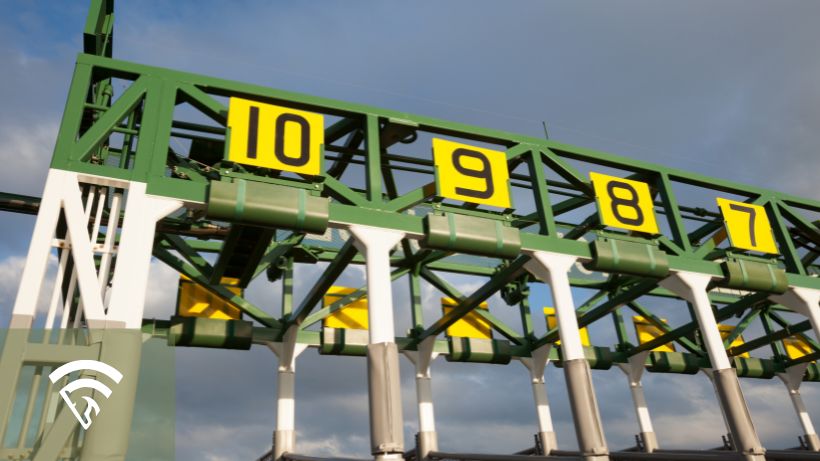
Post position bias refers to the tendency of certain starting gate positions to offer a strategic advantage or disadvantage to horses in a race. Factors such as track configuration, race distance, and field size can influence this bias.
How Does Post Position Bias Affect Racing?
The impact of post positions varies across different tracks and race types. For instance, at tracks with tight turns and short straightaways, inside posts may be advantageous, allowing horses to save ground. Conversely, on tracks with longer straightaways, outside posts might provide a better position to avoid early congestion.
Field size also plays a role; in larger fields, horses drawn on the far outside may need to exert more effort to secure a favorable position early in the race. Additionally, race distance matters—shorter races may amplify the effects of post position bias since there's less time to overcome a poor start.
Why Is Understanding Post Position Bias Important?
Recognizing post position bias is important for handicappers and bettors aiming to make informed decisions. By analyzing historical data and track-specific trends, one can identify which post positions have higher success rates under certain conditions. This knowledge can be leveraged to assess a horse's potential performance more accurately.
How to Use Post Position Bias in Handicapping
-
Analyze Track Records: Review historical performance data to identify any post position trends at specific tracks.
-
Consider Race Conditions: Factor in the race distance, track layout, and field size when evaluating the significance of post positions.
-
Combine with Other Metrics: Use post position insights alongside other handicapping factors such as speed figures, class, and form to develop a comprehensive betting strategy.
Post Position Bias Quick Reference Table
| Track Configuration & Distance | Inside Post Impact (Posts 1-3) | Outside Post Impact (Far Outside) |
|---|---|---|
| Tight Turns & Short Straightaways | Strong Advantage: Saves ground immediately; shorter distance to travel. | Disadvantage: Forced wide on turns; requires extra energy to clear the field. |
| Long Straightaways & Wide Sweeping Turns | Neutral to Disadvantage: Risk of getting pinned or blocked along the rail. | Advantage: Cleaner trip; avoids early congestion and traffic. |
| Shorter Sprint Races | High Impact: Critical to secure early position; less time to recover from poor starts. | High Risk: Wide trips are extremely difficult to overcome in short distances. |
| Longer Route Races | Moderate Impact: More time to recover, but saving ground on multiple turns is key. | Moderate Risk: Jockey has more time to guide the horse inward safely. |
How Track Surface (Dirt vs. Turf) Influences Bias
The track surface itself plays a major role in how post position bias manifests:
- Dirt Tracks: Dirt tracks often develop a 'golden rail' or a specific path that becomes faster due to moisture or maintenance. If the inside path is faster, inside posts gain a massive advantage. Conversely, if the inside becomes deep and tiring, outside posts are favored.
- Turf Tracks: Turf racing relies heavily on saving ground because turf turns are often tight and the fields are large. However, the inside turf can become chewed up and soft in later races, forcing horses to seek firmer ground on the outside.
The Role of Jockey Tactics in Overcoming Post Bias
While track configuration and surface conditions establish the baseline bias, a jockey's race-day execution is the ultimate wild card. Skilled riders actively adjust their strategies based on their starting gate:
- Managing Outside Draws: In large fields, a jockey on the far outside must make a critical split-second decision. They can either use early speed to cross over and save ground before the first turn, or deliberately ease back to tuck in behind the pack, avoiding a ground-losing wide trip at the expense of early position.
- Handling Inside Pressure: Inside posts, especially Post 1, can become a trap if a horse lacks early speed. Jockeys must ride aggressively from the gate to prevent getting pinned along the rail and covered in dirt kickback from horses crossing over from outer posts.
- Exploiting Track Biases: When a specific path on the track is playing faster, elite jockeys will actively steer toward it, even if it means sacrificing ground to reach the preferred lane.
Handicapping Integration: Post Position vs. EquinEdge AI Metrics
| Post Position Scenario | Key EquinEdge Metric to Check | Handicapping Decision Rule |
|---|---|---|
| Inside Post with Golden Rail Bias | Pace Metric & Win Percentage | Upgrade early speed horses with high Pace Metrics who can grab the rail immediately. |
| Far Outside Post in Large Field | Genetic Strength Rating (GSR) | Downgrade unless the horse's GSR indicates superior class to overcome a wide trip. |
| Turf Route with Tight Turns | Pace Metric & HandiView | Look for high Pace Metric horses in posts 1 to 3 to save ground early on the turns. |
Conclusion
Understanding post position bias can significantly enhance your handicapping strategy, providing valuable insights into how starting positions may influence race outcomes. Ready to start leveraging this insight to pick more winners? Sign up today and take your handicapping to the next level.
FAQs
Do inside posts always give a horse an advantage?
No. Inside posts can help at tracks with tight turns and short straightaways because horses may save ground, but the advantage depends on the track and race setup.When can an outside post actually be helpful?
At tracks with longer straightaways, an outside post may help a horse avoid early congestion. That cleaner trip can sometimes offset the wider starting spot.Why do far outside posts become tougher in bigger fields?
In larger fields, horses drawn far outside may have to use extra energy early to get into a favorable position. That added effort can make the trip more difficult.Does race distance change how much the post draw matters?
Yes. In shorter races, post position can matter more because there is less time for a horse to recover from a poor start or wide trip.How can I tell if a specific track has a post position bias?
Review that track’s historical race results and look for post positions that consistently perform better under similar conditions. The source recommends focusing on track-specific trends rather than assuming the same bias everywhere.Should post position be used by itself when handicapping a race?
No. The article suggests combining post position bias with other factors like speed figures, class, and current form for a more complete evaluation.