Key Points
- Second-time blinkers = second consecutive blinkered start; second-time Lasix (“L-S,” “2-Lasix”) = second race after the initial anti-bleeding dose.
- Markets often underrate second-start gains: one-race adaptation, fading first-use quirks, and overlooked follow-up starts reveal truer blinkers/Lasix ability.
- Second-time Lasix can improve stamina: reduced lung bleeding plus refined dehydration, hydration, and electrolyte management may prevent flattening or cramping.
- Evaluate second-time blinkers via debut trip notes, sharper/faster morning works, and running-style shifts such as a closer showing tactical speed.
- Evaluate second-time Lasix via late-race splits, weight-loss management, and barns with strong Lasix patterns.
- Bet mild first-use improvers at overlays; confirm with works, trainer quotes, class drop, pace edge, or hot barn; temper no-progress debuts, stretch-outs, extreme heat.
What is Second-Time Blinkers or Lasix?
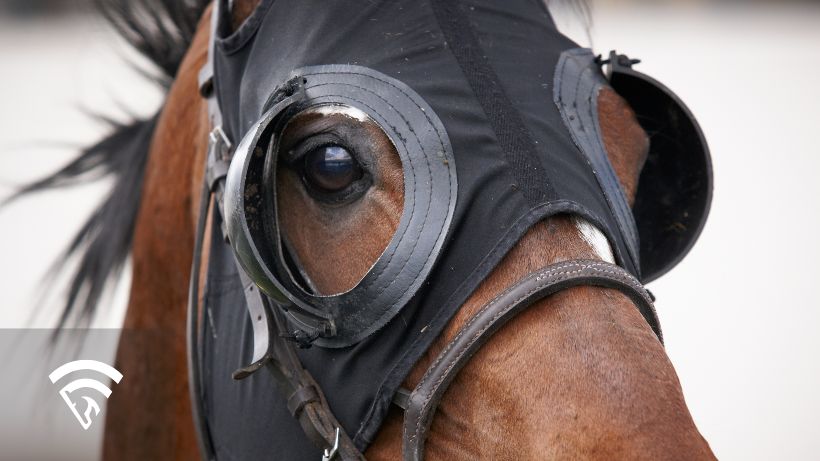
Second-time blinkers means a horse competes with blinkers for the second consecutive start after wearing them for the first time in its prior race. Second-time Lasix (also listed as “L-S” or “2-Lasix”) refers to a horse racing on the anti-bleeding medication Lasix for the second outing after its initial dose. In both cases the market often underestimates how much improvement can occur once the horse has adjusted to the equipment or medication.
Why It Matters to Handicappers
- Adaptation effect – Horses usually need one race to figure out blinkers or Lasix; big steps forward commonly appear in start #2.
- Truer performance read – Any negative quirks (e.g., fighting the rider with new blinkers) tend to fade, revealing the horse’s real ability.
- Improved physiology – Lasix reduces lung bleeding; the second use can show deeper stamina gains once dehydration protocols are dialed in.
- Hidden form angle – Past-performance lines flag first-time changes, but many bettors overlook the follow-up start.
How to Evaluate Second-Time Blinkers
- Trip notes from the debut – Did the horse break sharply, run straighter, or show new speed with first-time blinkers?
- Morning works – Sharper, faster drills after the initial blinkers race suggest the equipment is boosting focus.
- Running style shift – A closer that suddenly shows tactical speed can be dangerous on the second attempt.
How to Evaluate Second-Time Lasix
- Late-race splits – If the horse still flattened in the final furlong first time, expect a stronger finish now.
- Weight loss management – Trainers refine hydration and electrolyte strategy; horses can carry added pop without cramping.
- Stable pattern – Barns known for success with Lasix (e.g., North American turf outfits) deserve extra respect.
Betting Strategies
- Upgrade form-cycle horses that showed mild improvement at first use; larger leap often follows.
- Watch price drift – Public focuses on first-time angles; second-time users can go off at overlay odds.
- Combine with other positives – Class drop, favorable pace setup, or hot-barn form multiplies the impact.
- Demand proof – If the debut with blinkers or Lasix showed no hint of progress, keep expectations modest.
Common Misreads
- Assuming automatic improvement – Some horses dislike blinkers or don’t respond to Lasix; adapt by reading works and trainer quotes.
- Ignoring distance changes – A sprinter stretching out might not deliver the same kick even with second-time Lasix.
- Forgetting humidity – Lasix-related dehydration can bite harder on extremely hot days; downgrade if weather amplifies risk.
Ready to put nuanced equipment and medication angles to work in your wagering? Sign up to start leveraging actionable insights today.
FAQs
How is second-time blinkers different from first-time blinkers?
The first race in blinkers can be more of an adjustment period, so a horse may not show its full benefit right away. By the second start, issues like fighting the rider may fade and the horse’s true ability can show more clearly.What do “L-S” or “2-Lasix” mean in a past-performance line?
They indicate the horse is racing on Lasix for the second time after receiving it for the first time in its previous start. This is the follow-up outing many bettors overlook.What should I look for to spot a good second-time blinkers candidate?
Check whether the horse broke sharper, ran straighter, or showed new speed in its first race with blinkers. Faster or sharper morning works afterward can also suggest the equipment is helping.Why might a horse finish better on second-time Lasix?
If the horse flattened late in its first race on Lasix, the second use may produce a stronger finish. The article notes that trainers often refine hydration and electrolyte management after the initial dose.When should I be cautious about expecting improvement from this angle?
Don’t assume every horse will move forward automatically. If the first race with blinkers or Lasix showed no real hint of progress, expectations should stay modest.Can weather or distance changes weaken the second-time Lasix angle?
Yes. Extremely hot or humid conditions can increase dehydration risk, and a horse stretching out in distance may not show the same kick even with second-time Lasix.How can this angle create betting value?
The public often pays more attention to first-time equipment or medication changes than to the second start with them. That can leave second-time users at overlay odds if other signs of improvement are present.What other positives make second-time blinkers or Lasix more appealing?
The angle gets stronger when paired with factors like a class drop, a favorable pace setup, or hot-barn form. Mild improvement in the first start with blinkers or Lasix can also hint that a bigger move is coming next.