What Is a Post Parade in Horse Racing?
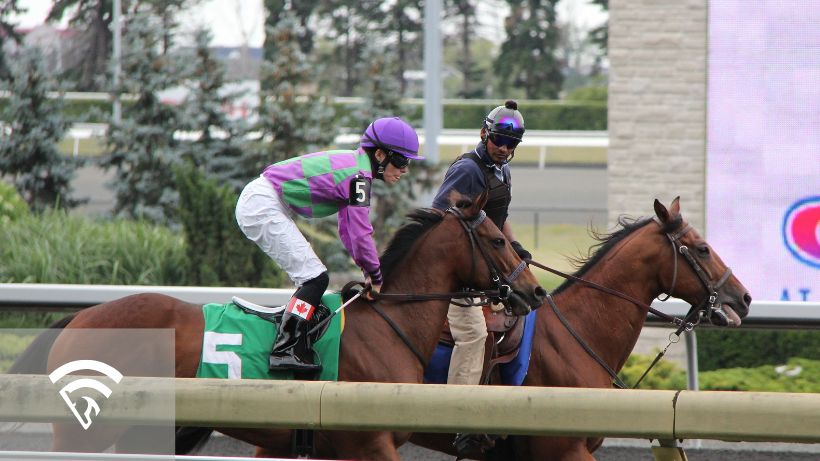
A post parade in horse racing is the phase when horses leave the paddock and walk in front of the grandstand on their way to the track and starting gate before a race. It allows officials, bettors, and fans to see each runner on the track surface, observe behavior and physical condition, and complete pre-race warm-ups. The post parade takes place shortly before post time and serves as the final public presentation of the field before loading.
The post parade is both ceremonial and practical. It showcases the competitors, helps horses transition from saddling to racing, and gives riders the opportunity to settle mounts and jog them to the starting gate. At the same time, it provides valuable visual information about horse body language and readiness that is not visible in past performance lines.
The term “post” refers to the starting post or starting position, and the parade is the procession toward it.
Paddock, post parade, starting gate: quick comparison
| Stage | What happens | Why it matters |
|---|---|---|
| Paddock | Horses are saddled and identified | Equipment check, first look at condition |
| Post parade | Horses leave paddock and circle in front of stands | Visual assessment, warm-up, presentation |
| Starting gate | Horses are loaded to begin the race | Official race start position |
The role of the post parade in race-day procedures
The post parade fits into a very specific sequence on race day.
Timeline from paddock to post time
- Saddling and inspection in the paddock
- Jockeys mount and leave under the guidance of lead ponies
- Horses parade past spectators and cameras
- Warm-ups occur on track
- Horses approach the starting gate
- Final loading and race start
Who is involved in the post parade
Participants include:
- racehorses
- jockeys
- outriders and lead ponies
- gate crew and on-track officials
The lead pony helps settle nervous runners and guides them safely to the gate.
The purpose behind the parade
The post parade serves to:
- showcase the field to fans and broadcasters
- allow horses to loosen muscles before high-speed effort
- give bettors and stewards a final look at each runner
- transition horses mentally from paddock to competition mode
Why observing the post parade matters for bettors
The post parade provides live information that past performances, speed figures, or pace projections cannot fully capture.
Key physical and behavioral indicators
Common post-parade tells include:
- coat quality: bright and dappled often suggests health
- ear position: pricked ears show alertness; pinned ears may signal discomfort
- muscle tone: tucked abdomen and visible definition indicate fitness
- sweating: light, patchy sweat may be normal; heavy lather can indicate anxiety
- walking gait: fluid motion is positive; stiffness or hitch is a red flag
How professionals use the parade for handicapping
Experienced horseplayers watch the post parade to:
- upgrade fit, focused horses
- downgrade nervous or washed-out runners
- confirm or question earlier handicapping conclusions
- watch jockey behavior and warm-up choices
Visual cues can justify a late bet or signal a pass.
Linking EquinEdge data with live observation
EquinEdge offers pace projections, past performance context, jockey and trainer metrics, and genetic suitability data. Combining these with post parade observation produces a fuller picture: data answers “who is strong on paper,” while the parade answers “who looks ready right now.”
What to look for during the post parade
Horse well-being indicators
Positive signs:
- loose, swinging walk
- calm focus
- glossy coat
- good muscle hydration and definition
Negative signs:
- excessive sweating before warm-up
- refusal to move forward or balking
- head tossing or tail swishing aggressively
- obvious lameness or uneven stride
Jockey behavior and crop use
Jockeys sometimes signal intention:
- strong warm-up gallops can imply aggressive early tactics
- quiet jogs may signal confidence in a closer
- frequent crop or strong handling can signal a difficult horse
Role of the lead pony
The lead pony:
- calms anxious runners
- keeps horses straight when parading
- assists with safety in crowded environments
Horses highly dependent on ponies may be green or nervous, which can matter in chaotic race starts.
Starting position and demeanor
Starting post location influences:
- trip potential
- early pace options
- likelihood of traffic problems
Calm horses schooling well near the gate often break more cleanly.
Common mistakes and myths about the post parade
Popular myths debunked
-
Myth: a sweating horse cannot win Reality: some horses are habitual sweaters and still perform well
-
Myth: acting calm always means ready Reality: dullness can signal lack of energy or illness
-
Myth: flashy horses always run big Reality: appearance alone is not predictive without form and pace context
What not to ignore
Certain behaviors deserve attention:
- obvious lameness indicators
- refusal to warm up
- agitated gate schooling
- respiratory distress or nasal discharge
Summary and key takeaways
The post parade is a brief but highly informative stage between saddling and the start of the race. It offers insight into horse body language, fitness, demeanor, and readiness that cannot be seen in printed past performances. For modern bettors, the strongest edge comes from blending visual observations during the parade with data-driven tools such as EquinEdge pace figures, win probabilities, and trainer/jockey analytics.
Understanding the post parade turns a ceremonial moment into one of the most valuable handicapping opportunities on race day.