Key Points
- Stallion: adult male horse used for breeding; transmits speed, stamina, and conformation to future racehorses.
- A stallion supplies half a foal’s genetic makeup, influencing size, athleticism, and temperament.
- Successful stallions with notable race records or prestigious bloodlines command substantial stud fees; their foals are seen as having a competitive edge.
- Owners match stallions to a mare’s pedigree and conformation to produce balanced, competitive foals; sires of multiple stakes winners build lasting breed influence.
- Evaluate a stallion by racing consistency, class success, durability across surfaces or distances, progeny stakes or graded results, and pedigree depth.
- Limitation: even a top stallion cannot maximize foal potential without mare compatibility.
What is a Stallion in Horse Racing?
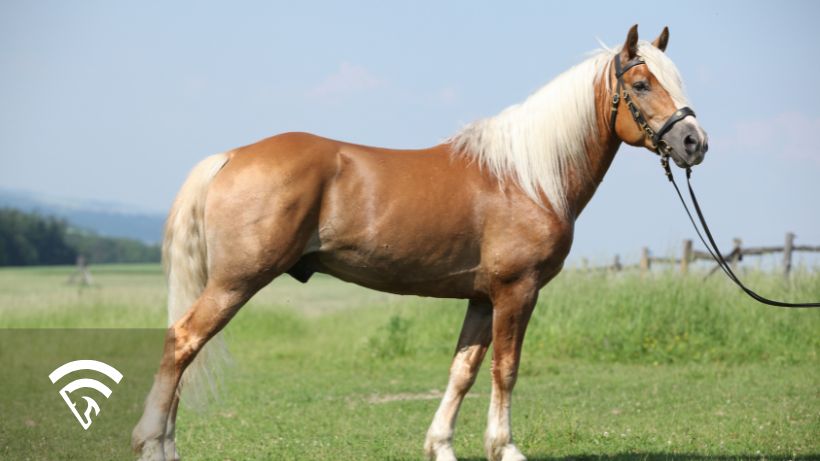
A stallion in horse racing is an adult male horse used for breeding purposes, known for passing on key traits like speed, stamina, and conformation to future generations of racehorses. Successful stallions—often with notable track records or highly regarded bloodlines—can command substantial stud fees, as their foals are perceived to have a competitive edge. Owners carefully select stallions that complement a mare’s pedigree, aiming to produce offspring with the best potential for racing success.
Why Are Stallions Important?
- Genetic Influence: A stallion contributes half of a foal’s genetic makeup, shaping traits such as size, athleticism, and temperament.
- High Commercial Value: Top-performing stallions or those from prestigious bloodlines can earn significant income through stud fees.
- Breeding Strategy: Matching the right stallion to a mare’s pedigree and conformation is crucial to producing well-balanced, competitive foals.
- Legacy and Reputation: A prominent stallion who sires multiple stakes winners can leave a lasting mark on the breed’s development.
Tips for Evaluating a Stallion
- Assess Racing Record: Look for consistent performance, class level success, and durability on different surfaces or distances.
- Examine Progeny: Offspring achievements, particularly in stakes or graded races, indicate how effectively a stallion passes on winning traits.
- Check Pedigree Depth: Strong sires often come from lines featuring influential ancestors known for producing successful offspring.
- Balance Mare Compatibility: Even a top stallion needs a compatible mare to optimize the foal’s potential.
Advance your breeding decisions with EquinEdge’s AI-powered platform, combining pedigree data and performance insights to help you select stallions that can produce strong, competitive racehorses. Sign up for a trial of EquinEdge to get started today.
FAQs
Why do some stallions have very high stud fees?
Stallions with strong race records or respected bloodlines can command higher fees because their foals are seen as more likely to inherit competitive traits. Their commercial value also rises if they consistently produce successful runners.What traits can a stallion pass on to a foal?
A stallion contributes half of a foal’s genetics, influencing traits like speed, stamina, size, athleticism, temperament, and conformation. These inherited qualities can affect both racing ability and overall balance.Is a stallion’s own racing career enough to judge his breeding value?
No. The source recommends also looking at his progeny, pedigree depth, durability, and how he performed across different surfaces or distances.Why does the mare still matter if the stallion is top quality?
Even a leading stallion needs a compatible mare to give the foal the best chance of success. Owners try to match pedigree and conformation so the pairing produces a well-balanced offspring.What does it mean when a stallion leaves a legacy?
A stallion builds a legacy by siring multiple stakes winners and influencing future generations of racehorses. That kind of record can shape the breed’s development over time.Are bloodlines more important than performance on the track?
The source suggests both matter. Strong bloodlines can boost a stallion’s appeal, but consistent race performance and proven offspring are also key when evaluating breeding potential.How can you tell if a stallion passes on winning traits well?
One of the clearest signs is the success of his offspring, especially in stakes or graded races. Their results show how effectively he transmits desirable traits to the next generation.