Key Points
- Weanling: horse weaned off its mother’s milk, typically at 4–6 months, still under 1 year old.
- Yearling: horse at or approaching 1 year old, but not yet 2; labels help breeders, buyers, trainers track development and sales readiness.
- These stages matter because young horses change rapidly; caretakers adjust nutrition and handling to physical and mental development.
- Weanlings and yearlings commonly sell at auctions; buyers judge conformation, pedigree, racing potential, and market value at each stage.
- Early preparation usually starts at the yearling stage with gentle handling and basic groundwork; serious race training generally begins later.
- Evaluate pedigree, leg structure, balance, and soundness; bloodlines offer no guarantees, and growth spurts can create temporary awkwardness, so seek veterinarian, trainer, breeder input.
What is a Weanling vs. Yearling in Horse Racing?
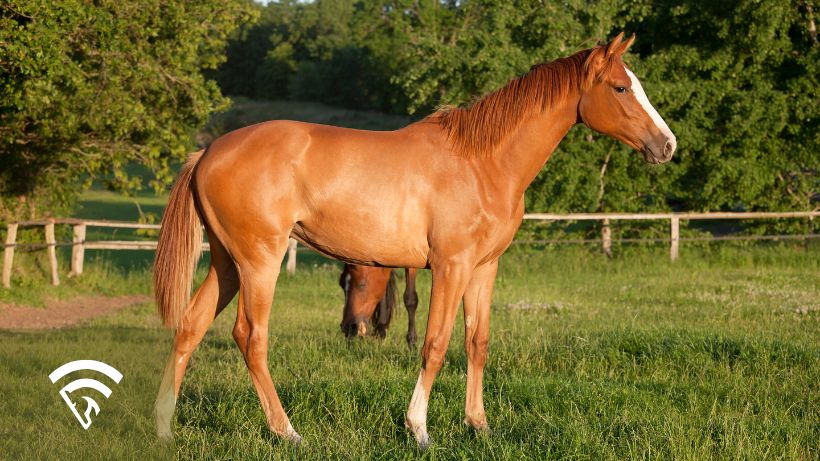
In horse racing, a weanling is a young horse that has been weaned off its mother’s milk, typically occurring around four to six months of age, but is still under one year old. A yearling, on the other hand, is a horse that has reached (or is approaching) one year of age but has not yet turned two. Breeders, buyers, and trainers often categorize young horses this way to track development milestones, assess potential, and prepare them for future training or sales.
Why Do These Stages Matter?
- Growth and Development: Weanlings and yearlings undergo rapid physical and mental growth; understanding these stages helps caretakers provide age-appropriate nutrition and handling.
- Sales and Auctions: Weanlings and yearlings frequently appear at auctions, where buyers evaluate conformation, pedigree, and potential racing ability.
- Early Training: While serious race training generally begins later, gentle handling and basic groundwork at the yearling stage can set the foundation for future success.
- Value and Market Trends: Horses at each developmental stage can command different prices depending on factors like pedigree, conformation, and sales demand.
Tips for Evaluating Weanlings and Yearlings
- Assess Pedigree: A strong bloodline may hint at future racing aptitude, though there are no guarantees.
- Observe Conformation: Look for correct leg structure, balance, and overall soundness that may carry forward into maturity.
- Monitor Growth Patterns: Rapid growth spurts can cause temporary awkwardness; focus on long-term development rather than transient phases.
- Consider Professional Opinions: Veterinarians, trainers, and experienced breeders can provide insights on a young horse’s potential.
While these developmental stages are crucial in breeding and early horse care, EquinEdge specializes in AI-powered handicapping to help bettors analyze race data and identify winning opportunities. Whether you’re exploring the pedigrees of future contenders or focusing on today’s race card, EquinEdge offers data-driven insights to inform your wagering decisions. Sign up now to get started with EquinEdge's AI-powered platform today.
FAQs
At what age does a foal become a weanling?
A foal is considered a weanling once it has been weaned off its mother’s milk, usually around four to six months of age. It remains a weanling until it is under one year old.When is a horse considered a yearling?
A horse is a yearling when it has reached or is approaching one year of age but has not yet turned two. This stage comes after the weanling period.Why do breeders and buyers separate horses into these age categories?
These labels help people track development milestones, evaluate potential, and plan care, training, or sales. They also make it easier to compare horses at similar stages of growth.Does serious race training start at the yearling stage?
No. The source explains that serious race training usually begins later, while yearlings may start with gentle handling and basic groundwork.What do buyers usually look at when evaluating weanlings and yearlings at auction?
Buyers often assess pedigree, conformation, and potential racing ability. The article also notes that correct leg structure, balance, and overall soundness are important.Can a strong pedigree guarantee racing success?
No. A strong bloodline may suggest future racing aptitude, but the source says there are no guarantees.Why can prices differ between weanlings and yearlings?
Their value can vary based on pedigree, conformation, and market demand. Different developmental stages may also influence how buyers price future potential.Should temporary awkward growth in a young horse be a red flag?
Not necessarily. The article says rapid growth spurts can cause temporary awkwardness, so it is better to focus on long-term development than short-lived phases.