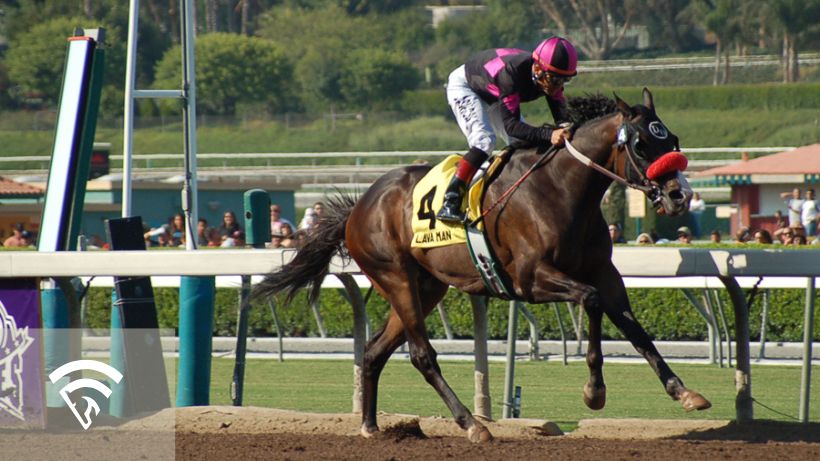
Key Points
- Breeders’ Cup: annual two-day championship for elite global thoroughbreds across multiple races, surfaces, and distances; late-fall season finale, usually in the U.S., occasionally abroad.
- Started in 1984, it became a premier international event; marquee races like Classic, Turf, and Distaff draw top horses, trainers, and jockeys.
- Breeders’ Cup wins can secure champion status, raise breeding value, shape legacies, and influence year-end honors, including Horse of the Year.
- Event appeal combines festive atmosphere, competitive fields, trackside fashion, gourmet food, and hospitality; bettors face deep fields where even favorites may offer attractive odds.
- For wagering, compare international form when horses ship from Europe, Asia, and other regions; differing racing standards complicate handicapping.
- Prioritize race-specific surface and distance specialization, and weigh trainer/jockey experience handling travel, track conditions, and race-day pressure.
The Breeders’ Cup is an annual two-day championship event featuring some of the finest thoroughbreds from around the globe, competing across multiple races, surfaces, and distances. Often held in late fall at premier racetracks in the United States (and occasionally abroad), the Breeders’ Cup acts as a grand finale to the racing season. Its diverse set of races, from sprints to marathons and dirt to turf, ensures that horses of various specialties can showcase their talents.
History and Significance
Launched in 1984, the Breeders’ Cup quickly became one of the most prestigious events in international horse racing. Prestigious titles like the Breeders’ Cup Classic, Turf, and Distaff regularly attract top-level horses, trainers, and jockeys. Victories here can cement a horse’s status as a champion, bolster breeding value, and create lasting legacies. Many end-of-year awards, including Horse of the Year, often hinge on performances in the Breeders’ Cup races.
The Breeders’ Cup Experience
The Breeders’ Cup is known for its festive atmosphere, competitive fields, and global appeal. Spectators savor a world-class lineup of horses, stunning trackside fashion, gourmet food, and top-tier hospitality. For bettors, it’s a rare opportunity to pit their handicapping skills against deep, talented fields where even the favorites might offer attractive odds. Whether you’re a dedicated racing fan or a casual observer, the Breeders’ Cup promises high stakes, international flair, and thrilling conclusions.
Tips for Watching and Wagering
- Analyze International Form: With horses shipping in from Europe, Asia, and beyond, comparing international racing standards is key.
- Surface and Distance Specialization: Pay attention to the unique conditions of each race; some horses excel on turf, others on dirt.
- Trainer and Jockey Insight: Experienced connections can navigate the complexities of travel, track conditions, and race-day pressure.
Enhance your Breeders’ Cup handicapping with EquinEdge’s AI-powered analytics. Our platform digests global data, evaluates performance metrics, and identifies overlooked contenders, giving you a competitive edge as you sort through world-class fields. Sign up for EquinEdge to experience the advantage of AI-driven insights and boost your confidence when making Breeders’ Cup wagers with EquinEdge.
FAQs
Is the Breeders’ Cup a single race or a full series of races?
It’s a two-day championship event made up of multiple races, not just one. The schedule includes different surfaces and distances so horses with different specialties can compete.When and where is the Breeders’ Cup usually held?
It is often held in late fall. The event is usually run at premier racetracks in the United States, though it is occasionally hosted abroad.Why is the Breeders’ Cup considered so important in horse racing?
Since launching in 1984, it has become one of the sport’s most prestigious events. Strong performances there can shape championship honors, including Horse of the Year, and increase a horse’s breeding value.Do horses from outside the U.S. race in the Breeders’ Cup?
Yes. The event draws thoroughbreds from around the world, including Europe, Asia, and other regions.What kinds of races are included during the Breeders’ Cup?
The races range from sprints to longer-distance events and include both dirt and turf. That variety allows horses with different running styles and preferences to showcase their strengths.What should bettors focus on when handicapping the Breeders’ Cup?
The article highlights three key areas: international form, surface and distance specialization, and trainer/jockey experience. These factors can matter more than usual because of travel, unfamiliar conditions, and deep competition.Why can even favorites offer appealing odds in Breeders’ Cup races?
The fields are typically deep and highly competitive, with many talented runners in the same race. That can create more attractive prices than bettors might expect from a major event.