Key Points
- Kentucky Derby: Grade I Thoroughbred race at Churchill Downs (Louisville), held every spring since 1875; 1¼ miles; first Triple Crown leg; nickname "Run for the Roses."
- Origins: Meriwether Lewis Clark Jr. modeled on Epsom Derby; first winner Aristides (1875) before ~10,000; Twin Spires added 1895; venue modernized, retained historic identity.
- Records/legacy: Secretariat set fastest Derby time 1:59.40 (1973); early dominance by African American jockeys incl. Isaac Murphy, Willie Simms; winners often influence breeding.
- Format/qualification: Road to the Kentucky Derby prep races award points by finish; top point earners fill ~20-horse gate; eligibility three-year-old Thoroughbreds; set weights, small filly allowances.
- Derby weekend/culture: Oaks Friday (elite three-year-old fillies) plus undercard stakes; blanket of 500+ red roses; mint julep (bourbon/mint/sugar/crushed ice); fashion varies by area.
- How to attend/bet + limitations: plan months ahead (lodging early, seating vs budget/sightlines, variable weather, arrive early); attendance often 150,000+; exotics (exacta/trifecta/superfecta) higher risk in crowded field.
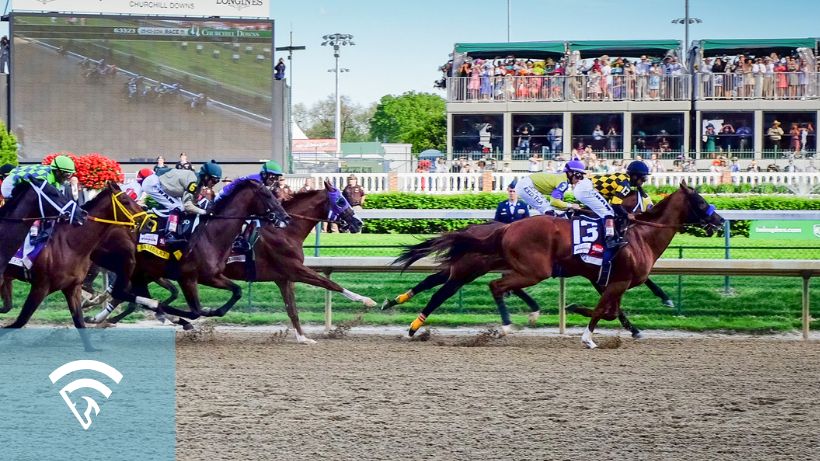
The Kentucky Derby is a Grade I Thoroughbred horse race held every spring at Churchill Downs in Louisville, Kentucky. Run since 1875, it features elite three-year-old horses competing over 1¼ miles and serves as the first leg of the Triple Crown. Known as "The Run for the Roses," the Derby blends world-class racing with deep tradition, fashion, food, and modern betting culture.
Introduction: The Kentucky Derby at a Glance
On Derby Day, Churchill Downs comes alive. More than 150,000 fans gather beneath the Twin Spires, mint juleps flow freely, and the sound of hooves echoes across one of America's most famous racetracks. For roughly two minutes, the world watches as the best young Thoroughbreds chase racing immortality.
Often called "America’s Race," the Kentucky Derby holds the distinction of being the oldest continuously run major sporting event in the United States. Yet it is far more than a single race. It is a cultural phenomenon that blends sport, pageantry, history, and innovation, drawing everyone from lifelong racing fans to first-time viewers and casual bettors.
Understanding what the Kentucky Derby is means appreciating both its athletic significance and its broader cultural impact.
The History of the Kentucky Derby
Founding and Early Years
The Kentucky Derby was first run in 1875, inspired by England’s Epsom Derby. Its founder, Meriwether Lewis Clark Jr., envisioned a premier American race modeled after Europe's great sporting traditions. The inaugural Derby took place at Churchill Downs, with Aristides claiming victory before a crowd of roughly 10,000 spectators.
From the beginning, the race focused on three-year-old Thoroughbreds, establishing a standard that remains today.
Churchill Downs and the Twin Spires
Churchill Downs is inseparable from the Derby’s identity. The iconic Twin Spires were added in 1895 and have since become one of the most recognizable symbols in sports. Over time, the venue expanded and modernized, but it retained its historic character, blending tradition with contemporary amenities.
Key Moments and Record Breakers
The Derby’s history includes legendary performances and unforgettable finishes. Secretariat’s 1973 victory remains iconic, as his time of 1:59.40 still stands as the fastest Kentucky Derby ever recorded.
Other milestones include dramatic photo finishes, unexpected longshot winners, and the rise of horses who went on to Triple Crown glory.
African American Jockey Legacy
In the Derby's early years, African American jockeys dominated the race. Riders such as Isaac Murphy and Willie Simms were among the sport’s first superstars, winning multiple Derbies and shaping early American racing history. Their contributions laid critical groundwork for the modern sport.
Derby Traditions and Culture
The Run for the Roses
Each Kentucky Derby winner receives a blanket of more than 500 red roses, giving rise to the race's famous nickname. This tradition symbolizes victory, elegance, and renewal, reinforcing the Derby’s status as a springtime classic.
Mint Julep and Culinary Traditions
The mint julep is Derby Day’s signature drink. Made with bourbon, mint, sugar, and crushed ice, it represents Kentucky hospitality and Southern heritage. Alongside juleps, fans enjoy regional favorites like hot browns and bourbon-infused desserts.
Derby Fashion: Hats, Attire, and Dress Codes
Derby fashion is legendary. Elaborate hats, pastel suits, floral dresses, and bold patterns dominate the scene. While formal attire is common in premium areas, general admission allows for more casual outfits. The event encourages self-expression, making Derby fashion part of its global appeal.
Is the Kentucky Derby Just One Race?
Although the Derby itself is one race, it anchors a full weekend of events. The undercard features multiple stakes races, and the day before hosts the Kentucky Oaks, a premier race for three-year-old fillies. Together, these races create a festival-like atmosphere at Churchill Downs.
The Kentucky Derby Festival
In the weeks leading up to Derby Day, Louisville hosts the Kentucky Derby Festival, which includes parades, fireworks, concerts, and community events. This extended celebration turns the race into a citywide experience.
How the Race Works: Rules, Qualifications, and Format
Road to the Kentucky Derby: Points System
Horses earn entry into the Derby through a series of qualifying races known as the Road to the Kentucky Derby. These prep races award points based on finishing position. Only the top point earners secure a spot in the starting gate, typically limited to 20 horses.
Eligibility: Age, Breed, and Weight
To compete, horses must be three-year-old Thoroughbreds. Each carries a set weight, with small allowances for fillies. These rules create a level playing field and emphasize raw talent and preparation.
Race Day: Schedule and Structure
Derby Day features a full slate of races, culminating in the Kentucky Derby as the main event. The race distance is 1¼ miles, longer than most American dirt races for horses of this age, adding a stamina component that often determines the outcome.
Kentucky Oaks: The Sister Race
Held the Friday before the Derby, the Kentucky Oaks showcases elite fillies and draws significant attention in its own right. Together, the Oaks and Derby form the centerpiece of Churchill Downs' spring meet.
Triple Crown and the Kentucky Derby’s Special Status
The Triple Crown Explained
The Triple Crown consists of three races: the Kentucky Derby, the Preakness Stakes, and the Belmont Stakes. Winning all three in the same year is one of racing's greatest achievements.
Notable Triple Crown Winners
Only a small group of horses have completed the Triple Crown, including Secretariat, American Pharoah, and Justify. Because the Derby is the first leg, it sets the tone for any Triple Crown attempt and carries enormous prestige on its own.
Famous Derby Winners, Records, Jockeys, and Trainers
The Derby's honor roll includes legendary horses, Hall of Fame jockeys, and influential trainers.
- Secretariat remains the fastest Derby winner.
- Multiple jockeys and trainers have recorded repeat victories, building dynasties over decades.
- Many winners go on to successful breeding careers, shaping future generations of Thoroughbreds.
Behind every champion is a team of owners, trainers, riders, and grooms whose combined expertise turns potential into performance.
A Derby Day Experience: Attendance, Tickets, and Fan Info
How Much Do Kentucky Derby Tickets Cost?
Ticket prices vary widely. General admission options can be relatively affordable, while reserved seating and luxury hospitality packages can reach into the thousands. Prices depend on location, amenities, and demand.
Attendance typically exceeds 150,000, making the Derby one of the largest single-day sporting events in the world.
Tips for Planning a Derby Visit
Visitors often plan months in advance. Key considerations include:
- booking accommodations early
- choosing seating based on budget and viewing preference
- preparing for variable weather
- arriving early to experience the full day
Even first-time attendees quickly discover that Derby Day is as much about atmosphere as it is about racing.
Broadcasting and Sponsorship
The Kentucky Derby is broadcast nationally and internationally, with extensive pre-race coverage. Major sponsors and media partners help bring the event to millions of viewers, expanding its global reach each year.
Betting on the Kentucky Derby: Trends, Insights, and Tools
Wagering has always been part of Derby culture. From casual office pools to serious handicappers, betting adds another layer of excitement.
The Growth of Betting at the Derby
The Derby consistently generates some of the highest betting handles in North American racing. Large fields, unfamiliar horses, and massive public interest create unique wagering dynamics.
Popular Wager Types
Common bets include:
- Win, Place, Show
- Exacta, Trifecta, Superfecta
- Daily doubles and multi-race wagers
Because of the crowded field, exotic bets often attract attention, though they carry higher risk.
Using EquinEdge for Smarter Bets
Modern handicapping goes beyond simple speed figures. Data-driven platforms like EquinEdge help bettors analyze:
- pace scenarios
- jockey and trainer performance
- past performances and form cycles
- historical race patterns
These insights allow fans to approach Derby betting with a structured strategy rather than relying solely on hype or headlines.
Jockey, Trainer, and Past Performance Data
Evaluating connections and race history can reveal patterns that casual viewers miss. Understanding how certain trainers prepare Derby contenders, or how jockeys perform in high-pressure races, adds valuable context to wagering decisions.
Conclusion: Why the Kentucky Derby Remains America’s Race
The Kentucky Derby endures because it brings together sport, tradition, and celebration in a way few events can match. It honors history while embracing innovation, welcomes newcomers while rewarding seasoned fans, and showcases elite athleticism on a global stage.
Whether experienced from the grandstands at Churchill Downs or watched from afar, the Derby represents more than a finish line. It is a living tradition that continues to evolve, drawing each new generation into the story of the Run for the Roses.
For modern fans and bettors alike, combining that tradition with data-driven tools makes the experience richer, deeper, and more engaging.
Kentucky Derby FAQs
FAQs
Why is the Kentucky Derby limited to three-year-old Thoroughbreds?
The Derby is designed as a showcase for elite three-year-old Thoroughbreds, a standard set from the race’s earliest days. This age restriction helps create a comparable competition level year to year.How do horses actually qualify for the Kentucky Derby starting gate?
Most horses earn their way in through the Road to the Kentucky Derby, a series of prep races that award points based on finishing position. The top point earners typically fill a 20-horse field.What makes 1¼ miles a tougher test than many other U.S. dirt races for this age group?
The Derby distance is longer than most American dirt races for three-year-olds, so stamina plays a bigger role. That extra distance can change which running styles succeed late in the race.What’s the difference between the Kentucky Derby and the Kentucky Oaks weekend?
The Kentucky Oaks runs the Friday before the Derby and is a premier race for three-year-old fillies. The Derby on Saturday is the main event, with both days supported by strong undercard stakes races.Do fillies run in the Kentucky Derby, and are there any weight adjustments?
The race is open to three-year-old Thoroughbreds, and fillies can compete. If they do, there are small weight allowances for fillies.What should I consider when choosing between general admission and reserved seating at Churchill Downs?
General admission can be relatively affordable, while reserved seating and hospitality packages can cost thousands depending on location and amenities. With attendance often exceeding 150,000, choosing early based on budget and sightlines matters.How can pace handicapping help in a big Kentucky Derby field?
Pace figures estimate where a horse may be at the first quarter mile, helping you anticipate whether a clear early leader emerges or if multiple speeds could set up a duel. Tools like EquinEdge’s Pace Metric are built to predict the first-call leader and are reported at 72.5% accuracy, including first-time starters.If I’m new to betting, what’s a practical way to structure Derby wagers without guessing?
Start with simpler bets (Win/Place/Show) and only add exotics like Exacta/Trifecta/Superfecta if you’re comfortable with higher risk in a crowded field. Platforms like EquinEdge can help by combining past performances (HandiView), jockey/trainer stats, and pace scenarios to guide more structured decisions.