Key Points
- Break from the gate is a horse’s launch from the starting gate; the first seconds often shape shorter races and overall race flow.
- A clean, alert break gives tactical advantage and intended position; a slow or awkward start loses ground, expends energy, and invites traffic trouble.
- Running style changes the stakes: front-runners need immediate speed; off-pace horses still need clean starts to avoid being shuffled, pinched, or bumped.
- Common break outcomes: sharp break, slow break, bumped start, or rearing/hesitating from nervousness, inexperience, or gate discomfort.
- Use running lines and replays to assess breaks: watch first strides, jockey urgency, stumbles/contact, and whether a compromised start explains the finish.
- Track context alters impact: Aqueduct inner dirt sprints favor fast starters; Turfway Park synthetic can forgive slower breaks; Oaklawn Park’s larger, pace-heavy fields punish poor starts.
What is a Break from the Gate?
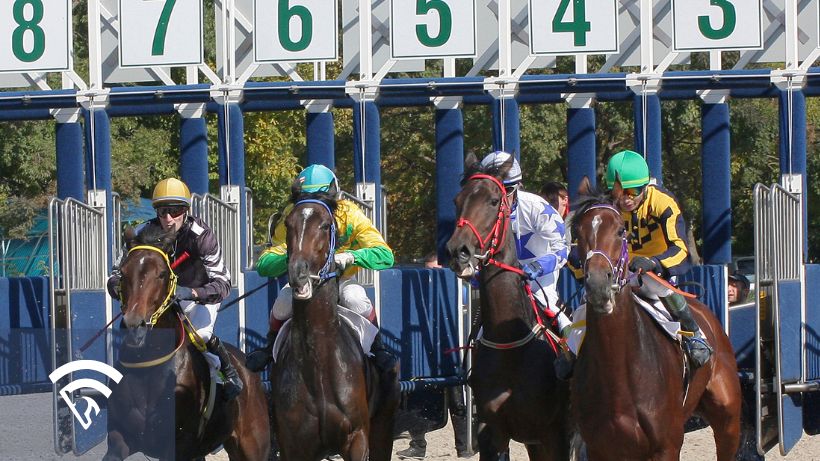
A break from the gate refers to how a horse launches out of the starting gate at the beginning of a race. It’s one of the most critical moments, especially in shorter distances where early position can determine the outcome. A clean, alert break can give a horse a tactical advantage, while a slow or awkward start can lead to early trouble and lost ground.
Though it only lasts a few seconds, the break sets the tone for the entire race.
Why the Break Matters
Horses have different running styles—some want the lead immediately, others are content to settle off the pace. Regardless of style, getting out of the gate efficiently helps ensure a horse gets into the position its connections intended.
A poor break can force a horse to use extra energy early, lose positioning, or get shuffled back in traffic. In tight fields, it can also result in being pinched or bumped by neighboring runners.
This moment is especially important in sprints, where the margin for error is slim and early positioning often determines who stays in contention.
Common Break Scenarios
- Sharp Break: The horse reacts instantly to the gate opening and gets into stride smoothly.
- Slow Break: The horse hesitates, stumbles, or fails to leave the gate immediately.
- Bumped Start: Horses may veer inward or outward and make contact with others.
- Reared or Hesitated: Often due to nervousness, inexperience, or discomfort in the gate.
These scenarios are often noted in running lines or replay commentary, and savvy bettors know to look beyond the raw result to understand how the start may have impacted the performance.
Evaluating the Break in Replays
When watching replays, focus on how the horse behaves in the first few strides. Does it break with the field? Is the rider asking early, or sitting quietly? Did the horse immediately establish position or was it compromised by others?
Some tracks where gate behavior tends to be especially influential include Aqueduct, where inner dirt sprints favor early speed; Turfway Park, where synthetic surfaces can be more forgiving of slower starts; and Oaklawn Park, known for strong pace pressure in larger fields.
Frequently Asked Questions
What does "break from the gate" mean in horse racing?
A "break from the gate" refers to how a horse begins a race by launching out of the starting gate. This crucial moment happens in the first few seconds after the gate opens and can significantly influence the outcome, especially in shorter races. A strong, immediate break gives a horse a better chance to secure a good early position.
Why is the break from the gate important in horse racing?
The break is important because it sets the tone for the rest of the race and determines initial positioning. A clean break helps horses quickly get into their intended running style, whether taking the lead or settling behind competitors. A poor break can result in lost ground, expended energy, or getting trapped in traffic, all of which reduce winning chances.
What are common types of breaks from the gate?
Common break scenarios include a sharp break (smooth and immediate start), a slow break (hesitant or delayed start), being bumped by other horses, or hesitating and rearing at the gate. Each type of break can impact a horse’s race strategy and overall performance, so recognizing these in replays can help in evaluating past races.
How can I evaluate a horse’s break from the gate on race replays?
To evaluate a horse's break in replays, watch the first few strides right as the gates open. Notice if the horse starts with the rest of the field, reacts quickly, stumbles, or is bumped by others. Observing the jockey’s actions and how the horse establishes position can offer insight into whether the break affected the race outcome.
How does break from the gate affect different horse running styles?
A good break is key for front-runners to secure the lead and control the pace from the start. For horses that prefer to settle off the pace, a clean break still helps avoid early trouble and maintain an intended position. Poor starts can disrupt any running style by causing a horse to lose ground or get stuck in traffic.
On which race tracks is breaking from the gate especially important?
Certain tracks put extra emphasis on breaking well from the gate. For example, Aqueduct’s inner dirt sprints often favor fast starters, while Oaklawn Park’s larger fields and strong pace pressure can complicate poor breaks. Each track’s surface and field size also influence how much a clean break matters.
Final Thoughts
The break from the gate is the first and often most telling moment of a race. For front-runners, it’s the launch point for control. For late runners, it can still mean the difference between a smooth setup and immediate traffic trouble.
Understanding how horses break, and how it affects the outcome, is a foundational part of sharper handicapping.
For near real-time access to race outcomes and replays across major circuits, visit the EquinEdge Results page and start reviewing how races unfold from the break forward.
Want to improve your ability to spot winning starts?
Sign up for an EquinEdge account and gain the data, tools, and insight needed to break sharper—every time you play.
FAQs
If a horse isn’t a front-runner, does the break still matter?
Yes. Even horses that prefer to settle off the pace benefit from a clean break because it helps them avoid early traffic, lost ground, and unnecessary energy use.Are bad breaks more costly in sprints than in longer races?
Usually, yes. The source notes that shorter races leave less margin for error, so losing position at the start can be much harder to overcome.What can cause a horse to hesitate or rear at the gate?
The article points to nervousness, inexperience, or discomfort in the gate. Those reactions can delay the start and compromise early position right away.How can I tell from a replay that the start hurt a horse more than the finish line result shows?
Watch the first few strides for hesitation, stumbling, bumping, or the horse getting shuffled back. If the rider has to ask early just to recover position, the break likely affected the trip.Do bigger fields make the break more important?
Yes. In tight or larger fields, a poor break can leave a horse pinched, bumped, or trapped in traffic before it can get into its intended running style.Are some surfaces or track types more forgiving of slower starts?
Sometimes. The source gives Turfway Park as an example where synthetic surfaces can be more forgiving of slower breaks than tracks where early speed is strongly favored.Where can I look to confirm whether a horse had a troubled start in a past race?
Check running lines, replay commentary, and race replays. The article also mentions the EquinEdge Results page as a place to review race outcomes and replays across major circuits.