Key Points
- Finish line is the official race endpoint in the homestretch; winner, margins, and payouts are set when a horse’s nose reaches the wire.
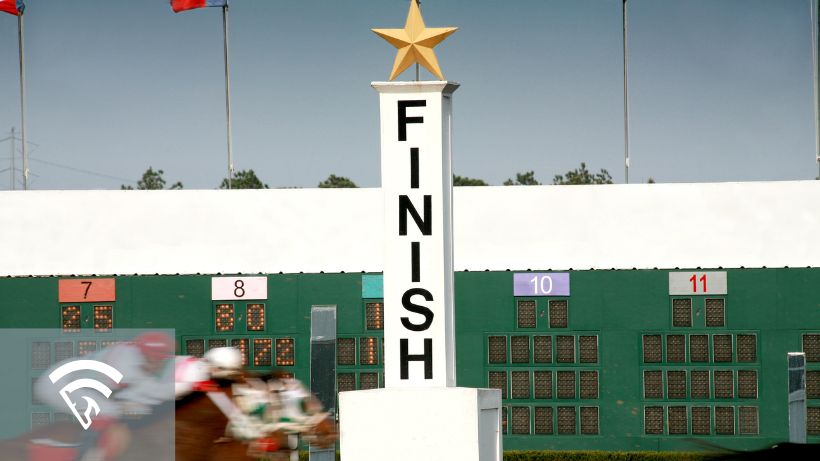
- Tracks mark finish lines with a pole or painted marker opposite the camera; Fair Grounds, Sam Houston, and Fairmount Park may use alternates.
- Photo-finish high-speed digital cameras reduce human error; stewards review close finishes before official results, so tight outcomes can be briefly delayed.
- To assess a finish, watch stretch position, ground gained or lost in the final sixteenth, and rider tactics like urging, holding, or gearing down.
- Strong late energy or ground gain can signal sharpness, stamina, or longer-distance suitability; late fading from good position can indicate stamina or class concerns.
- Finish order determines win, exacta, trifecta, and superfecta payouts; bettors review head-on and pan replays to verify outcomes and compare pressure performance.
What is the Finish Line in Horse Racing?
The finish line is the official end point of a horse race. It’s where the winner is declared, margins are recorded, and payouts are determined. Located at the end of the homestretch, it’s aligned with precision cameras to capture the exact moment a horse’s nose hits the wire.
Though races are run over various distances and surfaces, they all come down to this single moment—where fractions of a second can separate first from second, or turn a modest bet into a massive payout.
How It’s Marked and Measured
Most tracks mark the finish line with a tall pole or painted marker, positioned directly across from the camera used for final placement. While this spot is consistent at many venues, some tracks—especially with multiple turf layouts—have alternate finish lines depending on race configuration.
For example, tracks like Fair Grounds, Sam Houston, and Fairmount Park may use different finishing points depending on course or distance. This nuance can influence how a race unfolds and how to interpret final moves from the field.
Technology at the Finish
To eliminate human error, modern tracks use high-speed digital photography—commonly referred to as a photo finish. These systems can capture the tiniest margin between two horses, allowing stewards to determine results with near-microscopic precision.
The official result isn’t always immediate. In tight finishes, bettors may see a delay while the photo is reviewed and stewards confirm the order of finish.
What to Watch in the Final Strides
The moments leading into the finish can tell you more than the final placing alone. A horse that finishes with energy or gains ground late might be indicating sharpness or suitability for longer distances.
Conversely, a horse that loses focus or fades late, despite a strong position earlier, might raise concerns about stamina or class.
It’s also important to consider:
- Positioning at the top of the stretch
- How much ground was gained or lost in the final sixteenth
- Rider tactics (asking for more, maintaining position, or gearing down)
These small details can influence how you interpret a horse’s performance and how to approach them next out.
Impact on Betting and Race Strategy
The finish line doesn’t just decide who wins—it also determines exacta, trifecta, and superfecta payouts. Even a tight battle for third or fourth can mean the difference between a winning ticket and a miss.
This is why experienced players often review head-on and pan replays to analyze how finishes played out—not just to confirm outcomes, but to spot subtle differences in performance under pressure.
For players interested in reviewing real results across a wide range of tracks, EquinEdge offers detailed outcomes from tracks like Hawthorne Race Course, Laurel Park, and Tampa Bay Downs—updated almost in real time.
Frequently Asked Questions
How is the finish line marked at different race tracks?
Most tracks use a tall pole or painted marker to indicate the finish line, positioning it directly across from the official camera. On some tracks with multiple turf layouts, like Fair Grounds or Sam Houston, there may be alternate finish lines depending on race configuration and distance. Knowing the specific finish line location for each race can impact how you analyze a horse's final move.
What technology is used to determine race results at the finish line?
Modern race tracks use high-speed digital cameras for a "photo finish," minimizing human error. These systems record precise images at the finish line to determine the exact order of horses, even in extremely close finishes. Stewards review these photos before announcing the official results, which can occasionally lead to short delays.
Why is the finish line critical for betting outcomes?
The finish line determines the official race order, affecting payouts for win, exacta, trifecta, and superfecta bets. Even a close contest for third or fourth place can mean the difference between cashing a ticket or not. This is why bettors often review replays to analyze how horses performed in the final strides.
How does a horse’s performance at the finish line influence its future prospects?
Studying a horse’s finish can provide insights into its stamina, class, and suitability for various distances. Horses that finish strongly or gain ground late may be improving, while those who fade could indicate stamina issues. Watching details like positioning, ground gained or lost, and rider tactics can help predict future performance.
Where can I find detailed finish line results for different tracks?
EquinEdge offers real-time, detailed race outcomes from over two dozen tracks, including Hawthorne Race Course, Laurel Park, and Tampa Bay Downs. Their results page allows players to review finishes, analyze performances, and use advanced metrics to gain deeper insights into race outcomes.
Final Thoughts
The finish line may last just a split second, but it defines everything. It’s where preparation, pace, and positioning come together—and where races are truly decided.
To see how outcomes unfold across more than two dozen tracks, check out the EquinEdge Results page and start learning from every ending.
Want sharper reads at the wire?
Sign up for an EquinEdge account and access advanced metrics, live results, and smarter insights that help you see more than just the winner.
FAQs
What part of the horse determines the official finish?
The official moment is when the horse’s nose reaches the wire. Precision cameras are aligned to capture that exact instant.Why do race results sometimes take a moment to become official?
In close finishes, stewards review the photo finish images before confirming the order of finish. That review can create a short delay in posting official results.Can the finish line location change from one race to another at the same track?
Yes. Tracks with multiple turf layouts may use alternate finish lines depending on the course setup or race distance.What should I look for in the final sixteenth when watching a replay?
Focus on how much ground a horse gains or loses, where it was positioned at the top of the stretch, and what the rider was asking for late. Those details can reveal more than the final placing alone.Does a strong late finish matter even if the horse doesn’t win?
Yes. A horse that closes with energy or gains ground late may be showing sharp form or a better fit for longer distances next time.What can a horse fading late tell you?
If a horse weakens in the final strides after being in a good early position, it may raise questions about stamina or class. That can be useful when evaluating its next start.Does the finish line affect only win bets?
No. It also determines the final order for exacta, trifecta, and superfecta payouts, so even a close battle for third or fourth can change whether a ticket cashes.