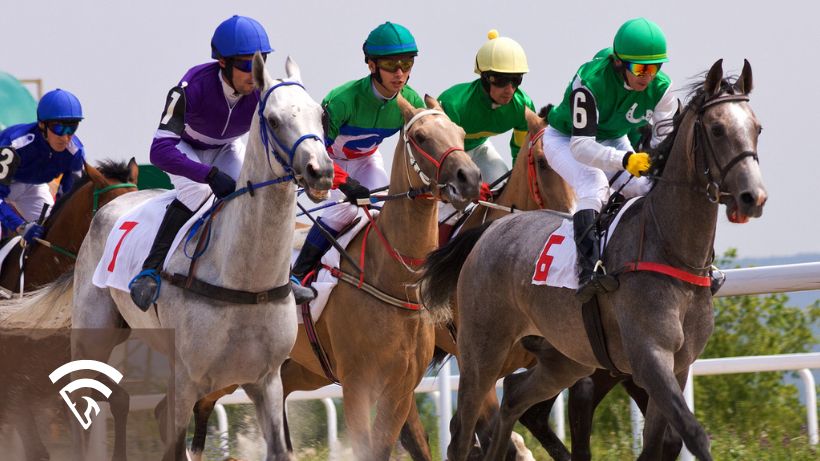
Key Points
- Gallop-out = post-finish run while jockey eases down; unofficial, untimed, absent from result charts, but reveals fitness, stamina, and longer-distance potential.
- Strong gallop-out signals reserve energy and untapped potential, even after a loss or even effort; weak gallop-out suggests the horse was fully spent.
- Highest-value contexts: lightly raced or young horses, layoffs, stretch-outs, closers gaining late, troubled trips, and inexperienced runners still learning to finish.
- How to assess: watch race replays after the wire; note sustained momentum, passing rivals or the winner, re-engagement, coasting, or immediate fade.
- Handicapping use: upgrade even finishers who gallop out strongly; downgrade big-race horses that shut down; spot sneaky Non-Winners of Two and first-time starters.
- Limitation: gallop-outs are not the whole story and aren’t in standard past performances; use them to confirm or challenge running lines with pace analysis or form cycles.
What is a Gallop-Out?
A gallop-out refers to how a horse continues to run after the finish line, during the portion of the race where jockeys typically begin easing their mounts down. While it's not officially timed or included in the result chart, the gallop-out can offer valuable insight into a horse’s fitness, stamina, and potential for longer distances.
Trainers, clockers, and experienced handicappers often pay close attention to this part of the race, especially when evaluating lightly raced horses, stretch-outs, or closers who may have been gaining late.
Why the Gallop-Out Matters
A strong gallop-out can signal that a horse had more in reserve than it showed during the official race time. This is especially useful when the horse finished behind the winner or ran an even race without showing much turn of foot. If it continued with interest after the wire, it may indicate untapped potential.
Some key scenarios where gallop-outs offer useful information:
- Horses returning from a layoff
- Horses stretching out in distance
- Young or inexperienced runners still learning how to finish
- Horses coming off a troubled trip
A weak gallop-out, on the other hand, may suggest the horse gave all it had during the race and is unlikely to move forward off that effort.
What to Look for in Replays
Since gallop-outs aren't recorded in the standard past performances, you'll need to watch race replays. After the finish line, observe how the horse continues to travel:
- Does it keep running past the winner?
- Is the jockey encouraging or letting the horse coast?
- Does it re-engage and pass rivals late?
- Or does it shut down immediately and fade out of frame?
While gallop-outs aren't the whole story, they can help confirm or challenge what the main running line suggests—especially when paired with data like pace analysis or form cycles.
How to Use Gallop-Outs in Your Handicapping
Strong gallop-outs are particularly valuable in identifying improving horses that may offer value next out. They also help support the case for a horse trying a longer distance or facing a tougher group.
Use them to:
- Upgrade a horse that finished evenly but galloped out powerfully
- Downgrade a horse that ran a big race but shut down abruptly after the wire
- Spot sneaky efforts in Non-Winners of Two or first-time starters
Frequently Asked Questions
Why is the gallop-out important for handicapping?
The gallop-out provides insight into whether a horse had more energy left after the race, which is valuable for predicting future performance. A strong gallop-out may suggest untapped potential or readiness for longer distances, while a weak one may indicate the horse had no more to give.
How do professionals evaluate gallop-outs?
Trainers, clockers, and experienced handicappers watch race replays closely to assess the gallop-out. They look for how the horse moves after the wire—whether it continues with enthusiasm, passes other horses, or quickly loses momentum.
When should you pay special attention to gallop-outs?
Gallop-outs are especially useful for assessing young or lightly raced horses, horses returning from layoffs, those stretching out in distance, or runners who experienced a troubled trip. Watching the gallop-out can reveal hidden strengths or potential that aren’t obvious from race results alone.
How can gallop-outs be used to upgrade or downgrade a horse's chances?
A horse that finishes the race evenly but gallops out strongly may be poised to improve in its next start, while a horse that faded right after the finish could be less likely to perform well next time. Observing gallop-outs helps bettors spot value horses and avoid overestimating those who already peaked in their last effort.
Where can you watch and analyze gallop-outs?
Gallop-outs are visible only in race replays and aren’t included in standard past performances. You can review replays on platforms like EquinEdge, which offer nearly real-time results for major tracks, and combine these observations with other data for more accurate handicapping.
Final Thoughts
The gallop-out won't show up in the official results, but for sharp players, it’s often one of the most telling parts of a race. When you're digging for value or trying to project improvement, this extra 10 seconds can make a big difference.
You can use EquinEdge to analyze key performance indicators—and then layer in trip and gallop-out observations for next-level insight.
For live outcomes and replays, check out our Results section, featuring nearly real-time results across tracks like Gulfstream Park, Santa Anita, and many more.
Want an edge that lasts beyond the wire?
Sign up for a free EquinEdge account and combine data, pace, and visual trip analysis to make sharper, faster decisions.
FAQs
Is a gallop-out part of the official race result?
No. It happens after the finish line, so it is not officially timed and does not appear in the result chart or standard past performances.Can a horse that didn’t win still have a positive gallop-out?
Yes. If a horse finishes behind the winner but continues strongly after the wire, it can suggest the horse had more left than the official running line shows.What does a strong gallop-out look like on replay?
A strong gallop-out usually means the horse keeps traveling willingly after the wire, may continue past other horses, and does not immediately lose momentum. It can hint at fitness, stamina, or hidden upside.What does a weak gallop-out suggest?
A weak gallop-out can mean the horse was fully spent during the race. If it shuts down right after the finish and fades quickly, it may be less likely to improve off that effort.Does the jockey’s action after the finish matter when judging a gallop-out?
Yes. Watching whether the jockey is still encouraging the horse or simply letting it coast can help you judge how willingly the horse is continuing after the wire.Can gallop-outs help when a horse is trying a longer distance next time?
Yes. A horse that finishes evenly but keeps going strongly after the wire may be better suited to more ground in its next start.Should you rely on gallop-outs alone when handicapping?
No. The article notes that gallop-outs are not the whole story and are most useful when combined with other clues like pace analysis, form cycles, and trip observations.