Key Points
- Gelding: castrated male horse; castration aims to improve manageability, reduce breeding distraction, and redirect energy toward racing.
- Successful males may remain intact as colts or stallions to preserve breeding value; geldings have no stud role and often race longer.
- Castration can temper aggression or distraction, improving training consistency, race-stress tolerance, and everyday handling for owners focused on racing.
- For smaller operations, geldings can support steadier campaigns, more starts, and more earning opportunities; notable examples include Kelso and Wise Dan.
- Evaluate geldings via multi-season form; well-managed horses can stay competitive longer. Check track/distance consistency, pedigree aptitude, and trainer care.
- Breeding upside does not apply; bettors can emphasize temperament and form patterns, using AI speed figures, pace projections, and race-day analysis.
What are Geldings in Horse Racing?
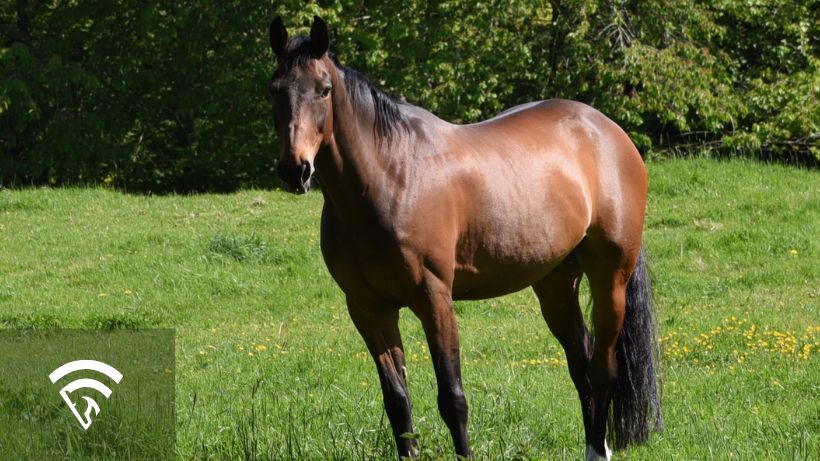
A gelding is a male horse that has been castrated, typically to create a more manageable temperament and focus the horse’s energy on racing rather than breeding. While some male racehorses remain intact (colts or stallions) to preserve breeding value if they excel on the track, geldings often enjoy longer racing careers because they do not transition to stud duties. From an owner’s perspective, gelding can also reduce behavioral issues—making training and day-to-day handling smoother.
Why Are Geldings Important?
- Extended Racing Career: Because they don’t retire early for breeding, geldings frequently compete well beyond the age when many colts or stallions might be retired to stud.
- Consistent Temperament: Castration can temper aggressive or distracted behaviors, allowing geldings to train more consistently and handle racing stress better.
- Accessibility for Smaller Operations: Owners who aren’t focused on breeding may prefer a gelding for its steadier attitude and potential for a reliable campaign, often leading to more starts and earning opportunities.
- Notable Success Stories: Several high-profile geldings—such as the legendary Kelso or more modern examples like Wise Dan—have achieved significant racing accolades despite having no breeding role.
Tips for Evaluating Geldings
- Assess Longevity and Form: Look at a gelding’s race record over time; many remain competitive through multiple seasons if well-managed.
- Behavioral Edge: Calm, consistent horses can perform better under varied conditions, so observe whether a gelding shows steady performances across different tracks and distances.
- Pedigree Still Matters: Even though they won’t pass on their genes, a gelding’s bloodlines can indicate if it’s likely to excel at sprinting, routing, or on specific surfaces.
- Trainer and Care: A skilled trainer can help a gelding maintain peak condition longer, maximizing its return on the track.
Although breeding considerations may not apply to geldings, understanding their temperament and performance patterns can give bettors an edge. EquinEdge provides AI-driven handicapping insights—like speed figures, pace projections, and race-day analysis—enabling you to spot in-form geldings and make more confident wagers. Signup for EquinEdge to get started.
FAQs
How is a gelding different from a colt or stallion?
A gelding is a male horse that has been castrated, while colts and stallions remain intact. Intact males may be kept for future breeding value if they perform well on the track.Why do geldings often stay in training longer?
Because they do not retire to stud duty, geldings can keep racing well beyond the age when successful colts or stallions might leave the track. That often gives them longer, more established racing records.Does gelding usually change a horse’s behavior on race day?
It can help reduce aggressive or distracted behavior, which may lead to a steadier temperament. That consistency can make training and handling smoother and may help with performance under stress.Should bettors still pay attention to pedigree with a gelding?
Yes. Even though a gelding will not breed, its bloodlines can still offer clues about preferred distance, surface, and running style.What should I look for when evaluating a gelding’s form?
Review whether the horse has stayed competitive over multiple seasons and shown steady performances at different tracks or distances. Longevity and consistency are key indicators mentioned in the source.Why might a smaller racing operation prefer a gelding?
Owners who are not focused on breeding may value a gelding’s steadier attitude and reliable campaign potential. That can translate into more starts and more chances to earn.Can geldings still become elite racehorses without breeding value?
Yes. The source notes that notable geldings such as Kelso and Wise Dan achieved major racing success despite having no breeding role.How can handicapping tools help when betting on geldings?
The source says AI-driven handicapping insights such as speed figures, pace projections, and race-day analysis can help identify in-form geldings. That can make it easier to spot useful performance patterns when betting.