Key Points
- War horse: older, battle-tested Thoroughbred (or other racing breed) defined by durability, longevity, many lifetime starts.
- Fan impact: multi-season returner builds loyal following; extended careers/underdog wins create compelling sport storylines.
- Performance traits: physical/mental resilience; often effective across multiple distances and track conditions (competitive versatility).
- Key risks: cumulative wear-and-tear needs careful training/rest/veterinary support; each added start raises injury/diminished-performance risk.
- Aging edge cases: maintaining form vs younger horses; trainers may target suitable race levels/distances; frequent class drops over time.
- How to evaluate: review starts/finish consistency across seasons; check recent races for slowing; assess trainer/care; use soundness exams, vet checks, public workouts.
What is a War Horse in Horse Racing?
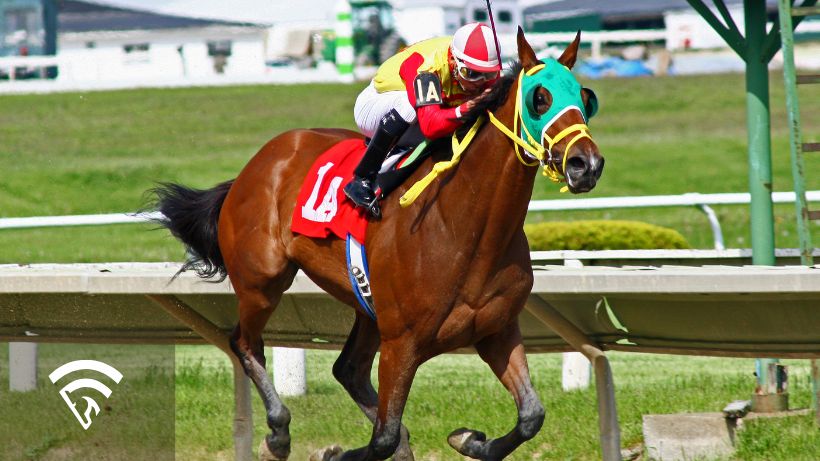
A war horse in horse racing is an older, battle-tested Thoroughbred (or another racing breed) known for its durability, longevity, and significant number of lifetime starts. These horses often capture the hearts of racing fans by consistently competing year after year, demonstrating grit, tenacity, and a remarkable ability to bounce back from the rigors of the track. While some war horses achieve top-tier success, others earn admiration simply through their unwavering presence and hardworking spirit.
Why Are War Horses Important?
- Fan Favorites
- Horses that keep returning to the races, sometimes over several seasons, build a loyal following of fans who appreciate their perseverance.
- Longevity and Soundness
- War horses often possess physical and mental resilience, managing to stay race-ready for longer periods than many of their peers.
- Competitive Versatility
- Some war horses remain effective at multiple distances and track conditions, reflecting both talent and adaptability.
- Inspiration and Storylines
- Their extended careers and underdog victories can generate compelling narratives, adding a layer of human interest to the sport.
Challenges for War Horses
- Wear and Tear
- Multiple racing seasons can accumulate physical stress, requiring careful management of training, rest, and veterinary support.
- Maintaining Form
- With age, horses may struggle to keep pace against younger competition, leading trainers to find suitable race levels or distances.
- Navigating Class Drops
- War horses often move down in class over time, showcasing consistency at levels that match their aging bodies and abilities.
- Fan Expectations
- Enthusiasts love watching these longtime campaigners, but each additional start brings the risk of injury or diminished performance.
Tips for Evaluating War Horses
- Race History
- Look at the total number of starts, consistency of finishes, and how the horse has performed over multiple seasons.
- Recent Form
- Even the toughest war horse can show signs of slowing down; focus on the last few races for indicators of ongoing competitiveness.
- Trainer and Care
- Skilled management is crucial for an older horse’s success, so consider trainers known for prolonging a horse’s career.
- Physical Assessments
- Soundness exams, vet checks, and public workouts can reveal whether a war horse remains in racing shape or needs lighter duties.
War horses embody the enduring spirit of Thoroughbred racing, proving that determination and heart can captivate audiences as much as speed and pedigree. While EquinEdge focuses on providing AI-powered handicapping insights—such as pace analysis, speed figures, and real-time odds—knowing a horse’s storied background can further inform your wagering decisions and amplify your appreciation for these resilient equine warriors. Sign up for EquinEdge to get started.
FAQs
What makes a horse a “war horse” in racing?
A war horse is typically an older, battle-tested racehorse known for durability, longevity, and a high number of lifetime starts.Are war horses always top performers or champions?
Not necessarily; some reach top-tier success, while others are admired mainly for consistently showing up and competing over multiple seasons.Why do war horses often become fan favorites?
Their repeated appearances year after year build a following, and their grit, comebacks, and occasional underdog wins create compelling storylines.What are the biggest risks or challenges war horses face as they age?
Wear and tear can accumulate across seasons, and maintaining form against younger horses can get harder, increasing the need for careful training, rest, and veterinary support.Why do war horses sometimes “drop in class” later in their careers?
As they get older, connections may place them in races that better match their current abilities, which can look like a move down in class while still reflecting competitiveness.How can I evaluate whether a war horse is still competitive today?
Review total starts and multi-season consistency, then focus on recent races for signs of slowing down or staying sharp.What factors besides past results matter when assessing a war horse’s current condition?
Trainer management and care are important, and soundness indicators like vet checks and public workouts can help show whether the horse is still race-ready.