Key points
- Warm-up demeanor is the physical movement and behavioral attitude a racehorse shows on the track before heading to the starting gate.
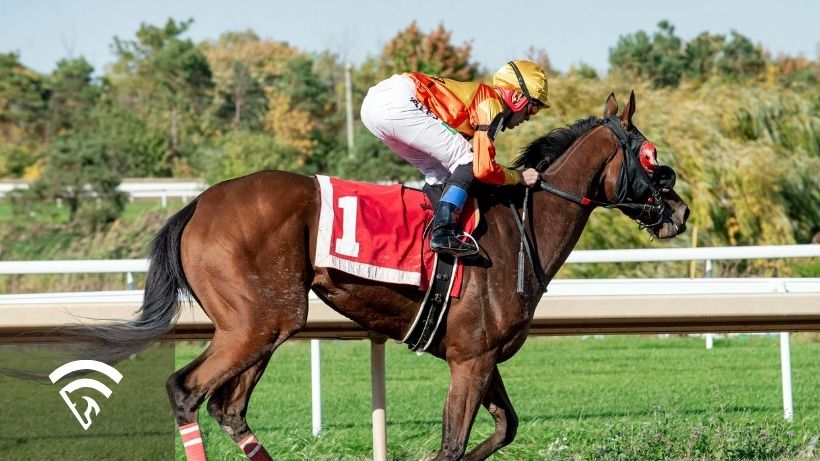
- Smooth strides, controlled energy, and bright ear carriage signal that a horse is physically ready to race.
- Excessive sweating, head tossing, or stubborn refusal to move forward indicate distress and wasted energy.
- Lead ponies and outriders help calm nervous horses and guide them through their pre-race gallop.
- Visual observations give crucial context when paired with speed figures, pace metrics, and past performance data.
Quick Definition
Warm-up demeanor in the post parade refers to a racehorse's physical movement, posture, and mental attitude as it warms up on the track before a race. Handicappers watch these pre-race body language cues to assess if a horse is focused, calm, and physically prepared to perform.
Understanding Pre-Race Warm-Ups on the Track
After horses leave the saddling area, they enter the main track for the traditional post parade. They walk past the grandstand, turn around, and begin their warm-up gallop toward the starting gate. This period gives jockeys time to loosen up their mounts and test their responsiveness.
Before horses reach the track, handicappers evaluate their saddling in the paddock to spot early behavioral patterns. Once horses break into a trot or light warm-up gallop, their demeanor often shifts. Some runners settle into a steady rhythm immediately. Others fight the jockey's reins, sweat heavily, or waste valuable energy before the race even starts.
Observing how a horse moves during this five-to-ten-minute window provides immediate clues about its physical health and state of mind. A horse that ran well in its last start might show signs of discomfort or nervous exhaustion today. Watching the post parade warm-up helps bettors verify whether a favorite is ready to run or showing signs of decline.
Visual Checklist: Reading the Horse's Demeanor
Visual handicapping requires observing specific physical traits and body language signals during the post parade warm-up.
Positive Indicators of Readiness
A runner ready to deliver a strong effort typically exhibits relaxed, confident movement. Look for these positive physical cues:
- Smooth, fluid stride: The horse extends its legs fully without stiffness, choppy movement, or sudden hitching in its gait.
- Focused ear position: Ears point forward or move alertly back and forth, showing the horse listens to the rider while paying attention to its surroundings.
- Controlled energy: The horse arches its neck slightly, steps purposefully, and carries its head high without fighting the jockey's control.
- Good muscle tone: A sleek, dry coat with visible muscle definition shows proper conditioning without signs of over-exertion or dehydration.
Horses that display these traits demonstrate high readiness. Combined with strong physical appearance in the paddock, a calm warm-up gallop confirms the runner is composed and focused on the race.
Common Warning Signs to Watch For
Negative behavior during the warm-up gallop often predicts a poor effort on the track. Watch for these red flags:
- Excessive sweating or washiness: White, foamy sweat between the hind legs or along the neck signals nervousness or overheating.
- Head tossing and bit fighting: High head carriage and continuous pulling against the reins show irritability and wasted muscular energy.
- Stiff or shortened stride: A choppy step or reluctance to extend the front legs indicates soreness or physical discomfort.
- Lugging in or out: Veering sharply toward or away from the rail during the warm-up shows lack of focus or pain under pressure.
- Wasted adrenaline: Excessive dancing, rear-ups, or washout behavior before loading into the gate drains energy needed for the finish line.
Recognizing these pre-race warning signs helps handicappers avoid betting on over-hyped horses that are mentally or physically off on race day.
How Lead Ponies and Outriders Influence Demeanor
Not every horse warms up alone. Many runners escort to the post alongside a lead pony and rider. Lead ponies play a critical role in steadying anxious horses, guiding young runners, and managing unpredictable track conditions.
An anxious runner that settles next to a calm lead pony often saves its energy for the race. Conversely, if a horse continues to wash out or fight the handler while ponying, it signals severe distress. Outriders step in when a horse breaks away or displays dangerous behavior. Observing how a horse responds to its lead pony gives handicappers extra insight into its temperamental stability.
Horses that display strong composure when paired with an outrider show clear signs of mental toughness, staying cool even in noisy or crowded track environments.
Balancing Visual Cues with Data Metrics
Visual observations in the post parade should complement hard race data, not replace it. A horse can look magnificent on the track but still lack the speed ratings required to win against higher class competition.
Start your process with speed figures, pace projections, and track bias analysis. Use detailed paddock analysis and warm-up demeanor checks as final filters before placing your wager. If a top contender on paper displays severe washiness or a stiff stride, you can downgrade its chances or seek value in an alternative entry. Combining predictive metrics with live observation creates a complete handicapping strategy.
Frequently Asked Questions
What does it mean when a horse is washy during the warm-up?
A washy horse sweats excessively, producing white, foamy lather around its neck, chest, or hind legs. This condition usually results from nervous energy or high heat, which can drain a horse's stamina before the gate opens.
Is a head-strong horse during the warm-up always a bad sign?
Not always. Some aggressive runners naturally pull hard against the reins when eager to run. However, if head tossing comes with heavy sweating or sideways walking, it usually indicates wasted energy rather than healthy eagerness.
How long do horses warm up during the post parade?
The post parade and warm-up period typically lasts between 8 and 12 minutes, giving horses time to parade past the crowd, break into a light gallop, and reach the starting gate safely.
Should I change my bet based on warm-up demeanor?
Yes, warm-up demeanor can serve as a final decision filter. If your top choice shows severe distress, physical stiffness, or washout signs on the track, adjusting your ticket or reducing your bet size is often a smart risk management move.