Key Points
- EquinEdge AI handicapping analyzes horse performance, track conditions, jockey/trainer stats, genetic strength; outputs metrics plus ticket recommendations using real-time data.
- EE Win Percentage predicts win chance per horse; top win-percentage horse wins 32.9% of the time.
- Pace handicapping: pace figures predict 1st-quarter position; EquinEdge Pace Metric predicts first-call leader (1st/2nd) 72.5% average accuracy, including first-time starters; flags likely lone speed vs speed duel.
- HandiView Past Performance consolidates running lines + workouts + unique metrics (pace numbers, Genetic Strength Rating GSR) into one view; supports running style and fitness assessment.
- Jockey & Trainer Stats: trainer win% past year + changes since last race; jockey win% past 5 years; jockey/trainer combo win%; updated regularly; track-specific coverage across major/minor circuits.
- How-to workflow: assess track condition (dirt/turf/synthetic ratings) via past performances + weather/track updates + running style; use Ticket Generator with bet type + budget, lock/exclude horses, optimize exacta/trifecta/superfecta tickets.
What is Track Condition in Horse Racing?
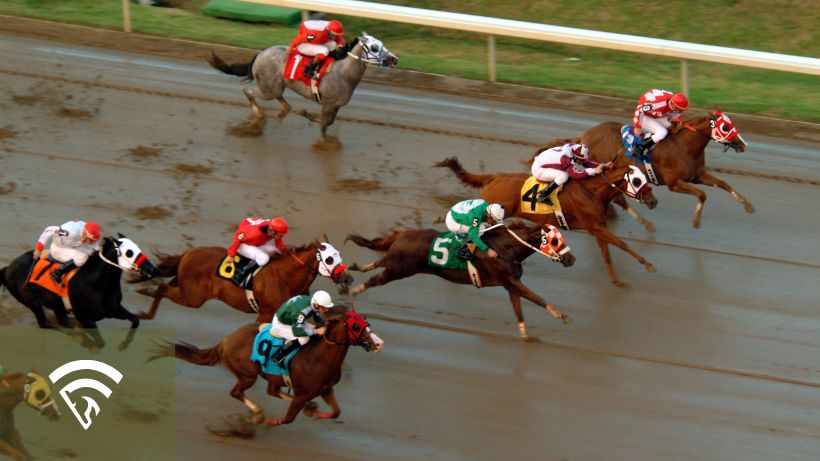
Track condition in horse racing refers to the state of the racing surface—whether dirt, turf, or synthetic—on race day. Conditions are affected by weather, moisture levels, and maintenance practices and can significantly impact horse performance.
How Does Track Condition Affect Racing?
Each surface type has its own rating system. For dirt tracks, common conditions include "Fast," "Good," "Muddy," and "Sloppy." Turf surfaces use terms like "Firm," "Good," "Soft," and "Yielding." Synthetic tracks tend to be more consistent but are still rated based on moisture and maintenance.
Some horses excel on fast, dry tracks, while others prefer wet or yielding conditions. Understanding how a horse performs under different conditions helps handicappers spot key advantages or vulnerabilities.
Why Is Understanding Track Condition Important?
Knowing the current and forecasted track condition can dramatically change how a race plays out. It influences pace, footing, and stamina. Horses with a proven track record under specific conditions may gain a distinct edge.
How to Use Track Condition in Handicapping
- Review Past Performances: Look for patterns of success or struggle under similar conditions.
- Monitor Weather and Track Updates: Stay informed about potential changes throughout the race day.
- Combine with Running Style: Certain styles may benefit or suffer based on the condition of the surface.
FAQs
How can I tell if today’s track condition will favor speed or closers?
Track condition can change footing and pace, so compare likely conditions with each horse’s running style in past performances. Wet dirt or yielding turf can blunt early speed for some horses while helping others sustain runs.Where do track condition notes show up when I’m reviewing a horse in EquinEdge?
Use HandiView to quickly scan running lines and workouts for how the horse performed across different surfaces and conditions. Pair that with the Pace metric to see how today’s surface might affect the first-call picture.What should I look for in past performances to judge “off-track” ability?
Focus on races run on similar conditions (e.g., Muddy/Sloppy on dirt or Soft/Yielding on turf) and whether the horse improved or regressed versus its typical form. Consistent effort under those conditions is usually more meaningful than one outlier race.If the forecast suggests the track could change during the card, how do I adjust?
Monitor weather and track updates and re-check how your contenders have handled both the current and potential alternate conditions. Late changes can alter early pace dynamics, so revisiting the Pace metric can help you anticipate a different race shape.Do synthetic tracks make track-condition handicapping less important?
Synthetic surfaces are often more consistent, but they’re still rated based on moisture and maintenance and can change enough to matter. You should still verify how a horse has performed on that surface type and under similar ratings.How do track condition and EquinEdge’s Pace predictions work together?
EquinEdge’s Pace metric predicts who is most likely to be in the 1st or 2nd position at the first call 72.5% of the time, including first-time starters. Use track condition as a context check—if the surface is likely to alter traction or stamina, it can change which early-speed types actually carry their pace.If a horse has never raced on today’s condition, what’s the next-best way to evaluate it?
Look at related clues like how it handled different surfaces or moisture levels in prior starts and whether recent workouts suggest current fitness. You can also lean on EquinEdge’s broader metrics (like Pace and HandiView’s simplified running lines) to reduce guesswork when condition-specific history is limited.
Conclusion
Track condition is a crucial factor that can alter the outcome of any race. EquinEdge equips bettors with tools to interpret conditions and how they impact each horse. Want an edge no matter the weather? Sign up today.