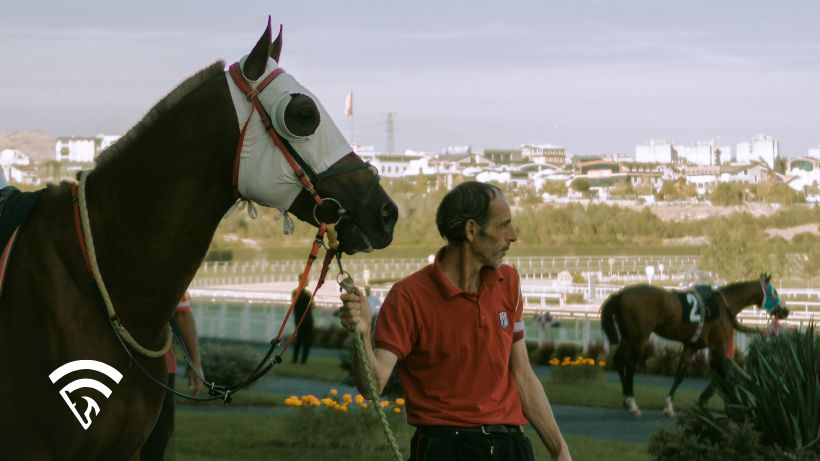
What Is a Lead Pony in Horse Racing?
A lead pony in horse racing is a calm, trained horse ridden by a handler who escorts a racehorse safely to and from the track, helps manage nervous behavior, and supports a smooth warm-up before the race. Lead ponies (also called track ponies) play a critical behind-the-scenes role in racetrack safety and race integrity. Their presence can reduce accidents, prevent wasted energy, and help racehorses arrive at the starting gate focused and manageable.
While bettors mostly think about pace, class, and speed figures, the lead pony is part of the race-day ecosystem that can influence how well a horse settles, warms up, and performs.
Introduction: The Lead Pony’s Hidden Role
Horse racing looks simple from a distance: horses walk from the paddock, circle behind the gate, load, and run. Up close, it is controlled chaos. Racehorses are high-powered athletes with sharp instincts, and race day can push their nerves and adrenaline to the limit.
That is why many American tracks rely on lead ponies.
A lead pony helps handle the part of racing most people never handicap directly: behavior, focus, and safe movement through a busy racetrack. These horses escort Thoroughbreds through crowds, noise, and pre-race energy, often defusing tension before it turns into danger.
For anyone serious about understanding track dynamics, learning what a lead pony is in horse racing adds valuable context. It can also help bettors interpret what they see in the post parade and warm-up, especially when paired with performance tools like EquinEdge.
What Is a Lead Pony in Horse Racing?
A lead pony is a trained horse ridden by a “pony rider” (handler) who accompanies a racehorse on race day. The lead pony is typically attached to the racehorse using a lead shank, strap, or specific ponying equipment, allowing the rider to guide and steady the racehorse.
This process is often called ponying.
Despite the name, most lead ponies are not actually ponies. Many are full-sized horses, often larger and more physically substantial than the racehorse they escort. The job requires strength, steadiness, and an unusually calm temperament in a high-stimulation environment.
Origin of “Ponying”
The term ponying comes from the broader equestrian practice of leading one horse from another. Historically, horsemen would ride one horse and lead a second horse to move animals efficiently.
In racing, ponying became an essential safety practice. Thoroughbreds can be fit, fresh, and reactive. Having a steady companion horse helps reduce the chance of a racehorse breaking loose, rearing, or wasting energy before competition.
Lead vs. Track Pony: Terminology Explained
Different tracks and horsemen may use slightly different phrasing, but generally:
- Lead pony: emphasizes the role of guiding and controlling the racehorse
- Track pony: commonly used as a broader term for ponies working at the track, especially in escort and warm-up roles
In practice, many people use the terms interchangeably.
Key Duties and Responsibilities of Lead Ponies
Lead pony duties go far beyond simply walking next to a racehorse. On a busy card, a lead pony team becomes a mobile safety unit, moving horses from paddock to track and then back again.
Pre-Race Warm-Up and Calming
One of the most important roles of the lead pony is controlling the horse’s pre-race mental state.
Before a race, a Thoroughbred may:
- prance and dance from adrenaline
- balk, spin, or refuse to move forward
- become aggressive toward other horses
- waste energy by pulling or fighting restraint
A well-trained lead pony helps set a calm rhythm. The pony rider can guide the horse in circles, keep distance from threats, and use the lead line to steady the horse without escalating the situation.
This is also where pony riding and racehorse warm-up overlap. A horse that relaxes and warms up efficiently often reaches the gate with more energy saved for the stretch drive.
Gate Escort and Post-Race Recovery
Many horses are escorted all the way to the gate. A lead pony can help:
- keep the racehorse straight and forward
- prevent sudden surges toward other horses
- allow the jockey to stay balanced and composed
- reduce the chance of gate-loading chaos
After the race, the lead pony often meets the horse again. Post-race is a risk period because:
- tired horses can stumble
- jockeys may be dismounting or adjusting
- horses are still keyed up
- track traffic increases
A calm escort back to the winner’s circle or barn reduces the chance of injury.
Supporting Outriders and Track Safety
Lead ponies also support racetrack staff, including outriders. They may help:
- contain horses that get loose
- block dangerous angles near exits or gaps
- guide horses away from high-traffic areas
- assist with crowd and horse flow between races
In short, lead ponies are part of the safety infrastructure that helps the sport run smoothly.
Why Lead Ponies Matter: Calming, Safety, and Energy Management
Racing is about speed, but pre-race behavior is about control. The lead pony exists because the safest and most effective racehorse is a manageable one.
How Lead Ponies Help Manage Racehorse Energy
A key part of racehorse performance is energy management.
Racehorses often burn valuable fuel before the race begins by:
- sweating heavily
- fighting the bridle
- over-striding in the post parade
- refusing to settle
This can lead to a horse arriving at the gate mentally exhausted before the first quarter mile.
A lead pony acts like a stabilizing influence. Some horses respond to companionship, others respond to the structure and guidance provided by the pony rider. In both cases, the outcome is similar: less wasted energy.
Role in Preventing Accidents and Fractious Behavior
Fractious horses can create dangerous situations. Common issues include:
- bolting
- rearing
- kicking
- flipping over
- crashing into rails
- dragging handlers
If a horse breaks loose, it becomes a safety threat to jockeys, grooms, and other horses. That can lead to:
- scratches
- delayed starts
- rider injury
- horse injury
- compromised race outcomes
Lead ponies help reduce these risks. They do not prevent every incident, but they significantly improve control in a high-risk environment.
What Makes a Great Lead Pony? Temperament, Training, and Breeds
Lead pony temperament matters as much as physical ability.
A great lead pony must be:
- calm under noise and chaos
- confident around high-strung horses
- steady when a racehorse lunges or spooks
- tolerant of crowds, announcers, and machinery
- disciplined enough to ignore sudden movement
It is not enough to be “bombproof.” A lead pony must also be athletic and responsive to the rider.
Lead Pony Temperament Essentials
The best lead ponies often share traits:
- low reactivity
- strong work ethic
- social tolerance around other horses
- willingness to stand still for long periods
- comfort in tight spaces
Some lead ponies are especially gifted at their job. They read the escorted horse’s behavior and subtly adjust position to prevent escalation.
Common Lead Pony Breeds
There is no single required breed. Many tracks favor horses that are:
- larger and sturdier than a Thoroughbred
- calm-minded
- sound and sure-footed
Common types include:
- Quarter Horses (popular for calm demeanor and strength)
- stock horse crosses
- ranch-type geldings
- retired Thoroughbreds with excellent minds
A Thoroughbred lead pony can be an excellent fit. Many former racers are calm, experienced with racetrack noise, and comfortable in the environment.
Real-World Examples: Famous Lead Ponies
Some lead ponies become well-known locally due to their consistency and professionalism. Fans who attend the same track regularly may recognize certain horses as fixtures of the post parade.
These horses rarely get headlines, but they are essential contributors to safe racing.
Lead Ponies vs. Outriders: Who Does What?
Lead ponies and outriders work in similar spaces, but their roles are different.
The Outrider’s Job
An outrider is a mounted safety officer. Outriders are responsible for controlling loose horses and responding quickly to emergencies.
They may:
- catch a runaway horse
- escort fractious horses under special circumstances
- provide support during gate issues
- help maintain order during post-race traffic
Outriders are usually highly skilled horsemen, and their mounts are trained for quick response.
How Outriders and Lead Ponies Work Together
Lead ponies are often assigned to specific horses during the normal race-day process. Outriders act as the safety net.
In a moment of trouble, outriders often assist while lead ponies help contain the situation. Both roles contribute to race track safety, and both require advanced handling skills and specialized horses.
Behind the Scenes: A Day in the Life of a Lead Pony
A lead pony’s day is work, repetition, and routine. On a racing card, the pony may escort multiple horses across several hours.
Morning Routines
Before race day duties begin, pony horses typically:
- get groomed and tacked
- warm up lightly
- stand near track activity to stay mentally settled
- receive careful hydration and feeding schedules
Because they operate in crowds, their manners and training must stay sharp.
Equipment and Safety Gear
Pony riding requires specialized equipment for control and safety:
- sturdy saddle with secure tack
- ponying strap or lead shank system
- protective boots or leg wraps
- rider helmet and safety vest
- gloves to prevent rope burns
Both horse and rider rely on equipment that can handle sudden movement from a racehorse.
Challenges and Rewards
The job can be physically demanding. A lead pony may be pulled, bumped, or forced to brace repeatedly when escorting a hot horse.
However, the work is also highly skilled. A great lead pony team makes the toughest horses look easy to handle. That quiet competence improves the safety and flow of an entire race day.
Lead Ponies in American Racing: Unique Traditions and Differences
Lead ponies are especially common in North American racing. That is partly tradition, partly infrastructure, and partly the scale of track operations.
Why Do U.S. Tracks Use Lead Ponies?
Lead pony use in the U.S. is widespread because:
- racehorses often travel from barns to paddock and then to track through busy spaces
- large fields and frequent races increase traffic
- many tracks emphasize a controlled post parade process
- ponying is culturally embedded in American racing operations
In many barns, ponying is a standard part of racehorse handling.
International Differences
In some international racing contexts, lead ponies exist but may be used differently or less frequently. Differences can be driven by:
- track layout
- pre-race routines
- staffing and safety systems
- stable and paddock infrastructure
These differences are not a sign that one system is better. They reflect the racing culture and logistics of each region.
How Understanding Lead Ponies Gives Bettors an Edge
Lead ponies do not determine pace figures, but they do influence how a horse arrives at the start. For bettors, the value is observational.
Knowing what lead ponies do makes it easier to interpret pre-race behavior with context.
Handicapping Clues from Lead Pony Behavior
On-track observation can reveal useful signals:
- A horse requiring a tight pony escort may be highly keyed up
- A calm horse strolling without tension may be settled and focused
- A horse fighting the pony line may waste energy before the race
- A horse sweating heavily while being restrained may be over-amped
- A horse that calms quickly once ponied may be responsive and manageable
Not every nervous horse runs poorly. Some need adrenaline to perform. Still, excessive agitation can signal trouble, especially if the horse typically behaves differently.
Lead pony examples in the post parade can also indicate how challenging a horse is to handle. That may matter when:
- a horse is first-time at a new track
- a lightly raced horse is stepping up in class
- the horse is off a layoff
- the horse has a history of gate issues
Using EquinEdge Data with On-Track Observations
The best handicapping combines objective data and real-world context.
EquinEdge tools can help identify horses likely to run well based on:
- pace profiles and projected race shape
- trainer patterns and intent
- jockey performance trends
- past performance consistency
When a strong data profile conflicts with visible agitation during ponying, it may raise risk. When the data looks strong and the horse appears composed, it can reinforce confidence.
The most practical approach is to treat ponying observations as an adjustment tool, not the core reason for a bet.
Conclusion: The Lasting Impact of Lead Ponies
Lead ponies are among the most important hidden contributors in horse racing. They guide, calm, and protect racehorses in a setting where adrenaline and unpredictability are always present. Their role supports racehorse warm-up routines, reduces accidents, and helps maintain the integrity of racing operations.
For bettors and fans, understanding lead ponies brings the sport into sharper focus. It reveals how much preparation and safety work happens before the gates ever open, and why the best racing outcomes often begin with calm control behind the scenes.