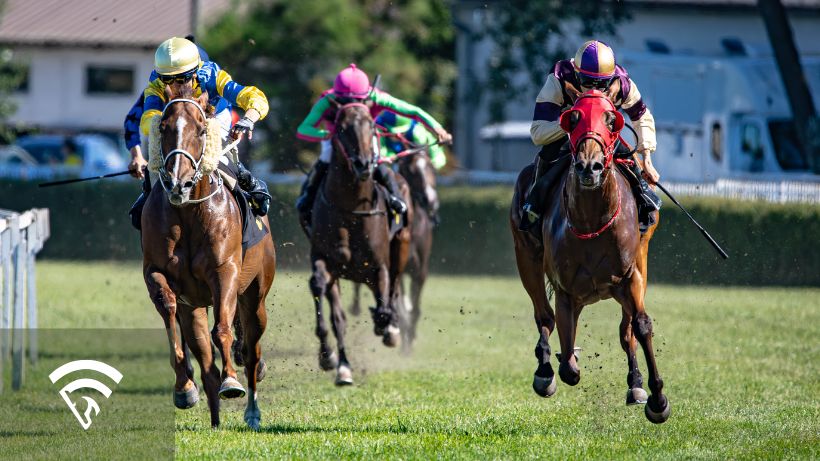
What Is Sample Size in Horse Racing Analysis?
In horse racing analysis, sample size is the number of bets, races, or observations used when evaluating a betting strategy or handicapping approach. Larger sample sizes produce more reliable conclusions and make it easier to tell whether results come from genuine skill or normal randomness. Small samples can make losing streaks or hot runs look meaningful when they are not.
Sample size: basic definition
Sample size refers to how much data is included in an analysis. In horse racing, that data might be:
- number of bets placed
- number of races reviewed
- number of speed figures for a horse
- number of events used to calculate ROI
A sample of 20 bets tells far less than a sample of 2,000. Bigger samples reduce the influence of unusual outcomes and allow patterns to emerge.
Sample size vs data quality in horse racing
Sample size matters, but quality of data matters as well. Ten carefully logged bets using a defined method can be more informative than hundreds of untracked casual wagers. Strong analysis combines both:
- enough volume
- accurate, structured data
Why Sample Size Matters: Skill vs Randomness
Horse racing outcomes involve uncertainty, variance, and luck. A small set of results often reflects noise rather than true performance. A bettor may look brilliant after ten wins in a row or terrible after ten losses. Neither streak proves skill or lack of skill on its own.
Short-term variance vs long-term trends
Short term results tend to swing. Over larger samples, trends stabilize:
- small sample = high volatility
- large sample = clearer performance picture
This is why long-term tracking is more valuable than judging a method after a weekend at the track.
Random number generators vs betting results
Casino games and random number generators illustrate the same principle. Over small samples, results jump around. Over many trials, the expected edge becomes visible. Horse racing differs because of handicapping skill and market inefficiencies, yet variance still plays a major role. Sample size is what allows separation of randomness from repeatable edge.
How to Calculate Required Sample Size for Betting Analysis
There is no single universal number. Required sample size depends on:
- typical odds being played
- size of expected edge
- volatility of returns
- bet type selected
Win bets at short prices settle faster statistically than exotic bets that hit infrequently but pay large returns.
Sample size calculation basics
Sample size calculations usually consider:
- effect size: how large the expected advantage is
- confidence level: how sure the analyst wants to be
- variance: how widely returns fluctuate
Smaller edges require larger samples to verify. Wide variance stretches the sample size needed even more.
Key statistical concepts
-
Effect size in sports betting Magnitude of the edge compared with randomness.
-
Statistical power and betting outcomes Likelihood of correctly detecting that a strategy works.
-
Confidence levels Probability that the observed results reflect reality rather than luck.
Practical example: win bets vs exotic bets
- Win bets at even money may need hundreds of bets to judge performance.
- Trifectas or Pick 4 wagers may need thousands since hit frequency is low.
The rarer the winning outcome, the more data is required to know whether returns reflect skill.
Betting odds impact on sample size
Higher odds mean:
- lower hit rates
- longer losing runs
- higher variance
This increases the amount of data needed to assess profitability.
Statistical Significance and ROI in Horse Racing Bets
Return on investment in betting is often quoted after short runs, which can mislead. Proper evaluation requires both ROI and sample size.
Statistical power and betting outcomes
Even profitable strategies experience drawdowns. A strategy can easily show negative ROI over a small sample while still being positive long term. Statistical power increases as sample size increases, which improves confidence in conclusions.
ROI measurement with and without adequate sample size
Without adequate sample size:
- ROI swings are large
- conclusions change quickly
- false confidence is common
With adequate sample size:
- ROI stabilizes
- edge size is more visible
- decision-making improves
Tracking results and recognizing variability
Track:
- bet type
- closing odds
- stake size
- result
- profit or loss
This allows rolling sample analysis to spot whether a true edge is fading or simply experiencing normal variance.
Practical Considerations for Handicappers and Tool Users
Sample size is not only academic. It guides everyday handicapping decisions.
Integrating tools with sample size awareness
Modern tools such as EquinEdge analyze thousands of races automatically. This provides:
- model confidence levels
- performance by surface, class, and track
- large data sets that would be difficult to collect manually
Large-scale data removes much of the guesswork involved with small personal samples.
Value betting and sample size
Value betting often looks wrong in the short term because it targets underpriced outcomes that win less frequently. Meaningful evaluation requires large sample size to let the edge manifest.
Continuous evaluation
Strategies evolve. Tracks change. Trainer patterns shift. Use rolling windows:
- last 100 bets
- last 500 bets
- lifetime results
Reassess rather than locking in one fixed conclusion forever.
Advanced Topics: Exotic Bets, Field Size, and Sample Size Requirements
Some racing contexts demand especially large samples.
Exotic bets and large sample sizes
Exotics such as:
require significantly larger samples. Win percentage is low, variance is high, and bankroll swings can be extreme. Only large data sets reveal true profitability.
Field size and win percentages
Larger fields reduce win probability and extend losing streaks. Analysts using small samples in big-field racing frequently overestimate or underestimate their true edge.
Betting on longshots
Longshot strategies:
- win infrequently
- rely on few very large payouts
Sample sizes must be very large to verify whether occasional big wins cover extended losing periods.
Frequently Asked Questions About Sample Size in Horse Racing
How much is 0.1 length in horse racing?
A tenth of a length is a small margin, generally representing a fraction of a second. Exact conversion depends on distance and track conditions.
What is Rule 4 in horse racing?
Rule 4 refers to deductions made to winning bets when horses are withdrawn after betting has taken place. It adjusts payouts to reflect changed probability after a late scratch.
How many bets are needed to prove a strategy is profitable?
There is no universal number. Strategies using short-priced win bets may need hundreds of bets. Exotic or longshot-heavy approaches may need thousands. Larger sample sizes always increase confidence in the conclusion.
Key Takeaways: Using Sample Size for Smarter, More Profitable Betting
- Sample size is the number of observations used in analysis
- Larger samples reduce the effect of luck and randomness
- Bet type, odds, and variance determine how large a sample is required
- ROI without adequate sample size can mislead
- AI tools help collect and analyze large data sets automatically
- Track results continuously and reassess strategies over time
Understanding what sample size is in horse racing analysis helps distinguish skill from randomness, supports disciplined evaluation, and improves long-term betting decision quality.