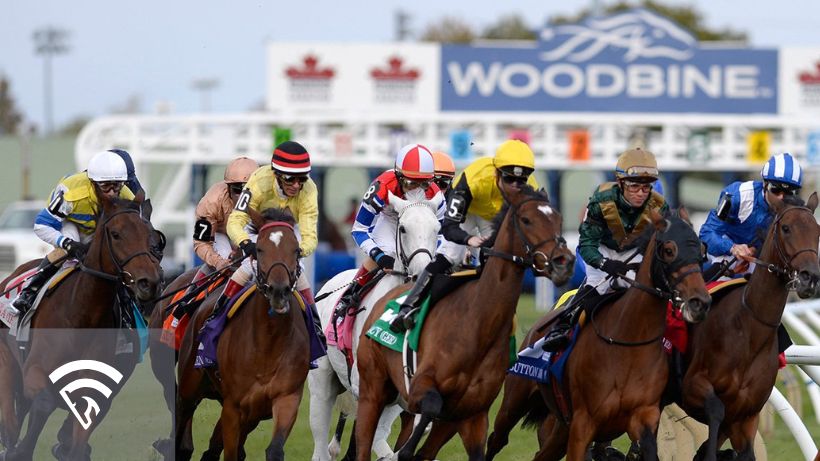
Key Points
- Woodbine Mile: annual Grade 1 turf race at Woodbine Racetrack, Toronto; 1 mile (8 furlongs); open to horses aged 3 and older; usually run in September.
- Premier North American turf race and key Breeders’ Cup Mile prep; part of the “Win and You’re In” Challenge Series, granting the winner an automatic Mile berth.
- First run in 1988 as the Molson Export Challenge on dirt for Canadian-breds; moved to turf and international competition in 1997; later attained Grade 1 status.
- Run one turn on Woodbine’s E.P. Taylor Turf Course; long sweeping turns and wide stretch usually produce a fair race for varied running styles.
- How to assess contenders: prioritize tactical speed and late acceleration; pace can still shape outcomes; September weather can shift ground from firm to yielding.
- Notable winners include Wise Dan (2012, 2013), Tepin (2016), World Approval (2017), and Modern Games (2022); the race often launches Breeders’ Cup Mile contenders.
What is the Woodbine Mile?
The Woodbine Mile is a prestigious Grade 1 turf race held annually at Woodbine Racetrack in Toronto, Canada. As the name suggests, the race is contested over a distance of one mile (8 furlongs) on the turf course and is open to horses aged three and older.
Usually run in September, the Woodbine Mile is one of the premier turf races in North America and serves as a major prep race for the Breeders’ Cup Mile. It is part of the Breeders’ Cup “Win and You’re In” Challenge Series, meaning the winner earns an automatic berth into the Mile.
Over time, the race has developed an international reputation, attracting top horses from both the U.S. and Europe.
History and Evolution
The Woodbine Mile was first run in 1988 under the name Molson Export Challenge. It was originally a dirt race restricted to Canadian-bred horses, but in 1997 it transitioned to turf and was opened to international competition.
Since the surface change, the race has rapidly increased in prestige, eventually earning Grade 1 status. Its turf configuration and position on the calendar make it especially attractive to connections pointing to the Breeders’ Cup.
Race Conditions and Style
The race is run around one turn on Woodbine’s expansive E.P. Taylor Turf Course, known for its long, sweeping turns and wide stretch. These conditions typically allow for a fair race, giving horses from a variety of running styles a chance to shine.
While pace can sometimes dictate outcomes, the turf layout and one-turn mile often reward horses with tactical speed and the ability to quicken in the final quarter mile.
Woodbine’s weather in September can be variable, so ground conditions may range from firm to yielding, adding another layer of nuance when analyzing contenders.
Notable Winners
The Woodbine Mile has been won by some of the most accomplished turf runners in modern history, including:
- Wise Dan (2012 and 2013), a two-time Horse of the Year and fan favorite
- World Approval (2017), who used the race as a springboard to win the Breeders’ Cup Mile
- Tepin (2016), one of the most dominant turf mares of her generation
- Modern Games (2022), a European raider who won the Breeders’ Cup Mile later that year
The race frequently attracts international talent and has become a proving ground for Breeders’ Cup contenders.
International Appeal
Because the race is turf-based and offers a direct path to the Breeders’ Cup, it often draws entries from top stables in Europe as well as leading American turf outfits. Its international flavor and strong purse make it a can’t-miss event on the fall calendar.
With the Breeders’ Cup Mile also contested over turf at a similar distance, many horses use this race as a final test against high-level competition.
Final Thoughts
The Woodbine Mile blends Canadian tradition with global competition. It’s a Grade 1 turf event that regularly showcases some of the most exciting milers in the sport and offers direct implications for year-end championships.
To track top turf performances and results from Woodbine and other elite tracks, visit the EquinEdge Results page for real-time updates and deeper insights.
Want to find the next turf star before they peak?
Sign up for an EquinEdge account and access predictive models, pace projections, and expert tools to help you play races like the Woodbine Mile with confidence.
FAQs
Why is the Woodbine Mile considered such an important race on the fall calendar?
It’s a Grade 1 turf race that serves as a major prep for the Breeders’ Cup Mile. Because it is part of the Breeders’ Cup “Win and You’re In” series, the winner earns an automatic berth into that championship race.Has the Woodbine Mile always been a turf race?
No. It began in 1988 as the Molson Export Challenge, a dirt race limited to Canadian-bred horses, before switching to turf in 1997 and opening to international runners.What type of horse usually fits the Woodbine Mile well?
The one-turn mile and Woodbine’s turf layout often suit horses with tactical speed and a strong finishing kick. The course is considered fair enough that different running styles can still be effective depending on the pace.How can September weather affect the race?
Woodbine’s September conditions can vary, so the turf may range from firm to yielding. That can add an extra layer to handicapping because some horses handle softer ground better than others.Why does the race attract horses from Europe and the U.S.?
Its turf setup, international reputation, and direct path to the Breeders’ Cup Mile make it appealing to top stables from both regions. It offers a high-level test at a similar distance to the Breeders’ Cup target.Are there any especially notable winners that show the race’s quality?
Yes. The article highlights Wise Dan, Tepin, World Approval, and Modern Games as standout winners, with some using the race as a springboard to Breeders’ Cup Mile success.Who is eligible to run in the Woodbine Mile?
The race is open to horses aged three and older. It is contested at one mile, or 8 furlongs, on the turf course.