Key Points
Belmont Stakes: Grade I Thoroughbred race each spring; final Triple Crown leg; 1.5 miles (12 furlongs) "Test of the Champion" stamina/endurance.
History: first run 1867; oldest Triple Crown race; named for August Belmont Sr.; survived wars/economic downturns/industry changes; became national institution.
Iconic performances: Secretariat (1973) won by 31 lengths in 2:24; other winners include American Pharoah, Justify; Belmont often clinches/denies Triple Crown.
Race details/edge cases: usually Belmont Park (Elmont, NY); renovations temporarily moved editions to Saratoga, altering distance/dynamics and handicapping requirements.
Field/eligibility: three-year-old Thoroughbreds; typically 8–12 starters; smaller fields reduce traffic but increase pace-and-stamina scenario importance.
How to handicap/bet: emphasize distance, pace, and recovery from prior Triple Crown starts; use EquinEdge Pace, GSR, HandiView past performances/workouts, jockey/trainer stats.
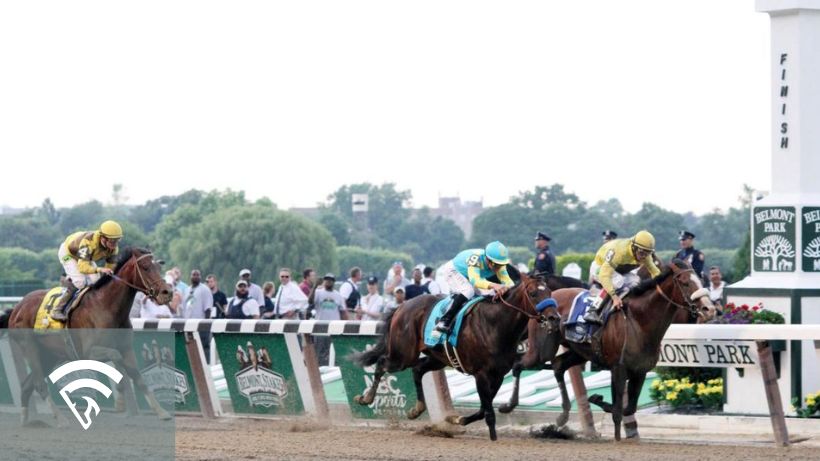
The Belmont Stakes is a Grade I Thoroughbred race run each spring and serves as the final leg of the Triple Crown. Contested over a demanding 1.5 miles, it is widely known as the "Test of the Champion" because of its distance and endurance requirements. For more than 150 years, the Belmont has crowned legends, ended Triple Crown dreams, and defined racing excellence.
Introduction: The Belmont Stakes at a Glance
Every June, the spotlight shifts to New York as elite three-year-old Thoroughbreds line up for one of horse racing’s most storied events. The Belmont Stakes stands apart for its marathon distance, rich traditions, and its role as the Triple Crown finale.
For casual fans, the Belmont is often remembered for dramatic finishes and historic performances. For seasoned racing followers and bettors, it represents the ultimate challenge in evaluating stamina, pace, and class. Together, these elements have earned the Belmont a reputation unlike any other race in North America.
The History of the Belmont Stakes
First run in 1867, the Belmont Stakes is the oldest of the Triple Crown races. It was named after financier and sportsman August Belmont Sr., a key figure in early American racing.
Over time, the Belmont evolved from a regional contest into a national institution. It has survived wars, economic downturns, and major changes in the racing industry, all while maintaining its place at the top of the sport.
Oldest of the Triple Crown Races
While the Kentucky Derby often receives the most mainstream attention, the Belmont predates both the Derby and the Preakness Stakes. Its long history gives it a special standing among racing traditions and connects modern fans to generations of past champions.
Notable Moments and Records
No Belmont history is complete without Secretariat’s 1973 performance. His 31-length victory in a time of 2:24 remains one of the most iconic achievements in sports, not just horse racing.
Other memorable editions include surprise upsets, gritty wire-to-wire wins, and emotional Triple Crown clinchers. Each decade adds new chapters to the race’s legacy.
Belmont Stakes in the Triple Crown
How the Triple Crown Works
The Triple Crown consists of:
- Kentucky Derby
- Preakness Stakes
- Belmont Stakes
To win the Triple Crown, a horse must capture all three races in the same year. It is a rare feat, accomplished by only a small group of exceptional Thoroughbreds.
As the final leg, the Belmont carries enormous weight. It can either confirm greatness or deny history, often in dramatic fashion.
Secretariat’s Record and Historic Sweeps
Secretariat’s Belmont remains the gold standard, but other Triple Crown winners such as American Pharoah and Justify also delivered powerful performances on this stage. For these champions, the Belmont was not just another race, it was the proving ground.
Race Details: Distance, Location, and Unique Features
The Belmont Stakes is traditionally run at Belmont Park in Elmont, New York. Its classic distance of 1.5 miles makes it the longest of the Triple Crown races and a true test of stamina.
This distance is a major reason the race is called the Test of the Champion. Many horses bred for speed struggle to carry their form over twelve furlongs.
Belmont Park vs. Saratoga: Recent Changes
Due to major renovations at Belmont Park, recent editions of the race have temporarily moved to Saratoga Race Course. Saratoga’s configuration requires adjustments to distance and race dynamics, creating new handicapping challenges while the historic Belmont Park undergoes reconstruction.
These changes highlight how tradition and modernization are shaping the future of the event.
Number of Starters and Race Qualification
Belmont fields are typically smaller than the Kentucky Derby, often ranging from 8 to 12 runners. Entry is limited to three-year-old Thoroughbreds, with selections based on recent performances, trainer decisions, and overall readiness.
Smaller fields can simplify traffic issues but place greater emphasis on pace scenarios and stamina.
Traditions and Symbols of the Belmont Stakes
Beyond the racing itself, the Belmont is known for its distinctive pageantry.
The Belmont Stakes Trophy: Design and Legacy
The Belmont Stakes trophy is crafted by Tiffany & Co. and features a silver bowl supported by three figures representing the Derby, Preakness, and Belmont. It is one of the most recognizable prizes in American sport and symbolizes the unity of the Triple Crown.
Famous Traditions: Song, Attire, and More
The winner receives a blanket of white carnations, setting the Belmont apart visually from its Triple Crown counterparts. The race also has an official song, adding a ceremonial touch to the post-race celebration.
Attendance has varied over the years, influenced by Triple Crown bids, venue changes, and broader trends in live sports, but the Belmont continues to draw dedicated fans eager to witness history.
Notable Belmont Winners, Jockeys, and Trainers
The Belmont has showcased some of racing’s greatest talent.
Legendary horses like Secretariat head a long list of champions, while iconic jockeys and trainers have built their reputations on Belmont success. From dominant favorites to unexpected longshots, the race has produced a wide range of memorable outcomes.
Fillies Who Made History
Although rare, fillies have competed in the Belmont Stakes, with a select few achieving remarkable results. Their appearances highlight the race’s openness to exceptional talent regardless of gender.
Iconic Jockeys and Trainers
Several Hall of Fame riders and conditioners have left lasting marks on the Belmont. Their strategies, patience, and understanding of distance racing have shaped many of the event’s defining moments.
The Belmont Stakes and Modern Developments
Pandemic-Era Changes and the 2020 Format
In 2020, global disruptions led to a reimagined Triple Crown schedule, with the Belmont Stakes run first and at a shorter distance. This unprecedented shift demonstrated the race’s flexibility while reinforcing its importance to the sport.
Belmont’s Future: New Park Developments
With Belmont Park undergoing major upgrades, the race is entering a new era. Improved facilities aim to enhance the fan experience while preserving the history that makes the Belmont unique.
How to Bet the Belmont Stakes: Expert Insights from EquinEdge
Betting on the Belmont requires a different mindset than wagering on shorter races. Distance, pace, and recovery from earlier Triple Crown efforts all play crucial roles.
Key Factors in Handicapping the Belmont
Successful Belmont analysis often focuses on:
Because of the 1.5-mile distance, horses that finish strongly in prior starts or show tactical patience often hold an advantage.
Using EquinEdge for Smarter Betting
EquinEdge supports data-driven Belmont wagering by combining pace handicapping, past performance insights, and jockey and trainer statistics. These tools help bettors evaluate how a race may unfold, identify value opportunities, and avoid common pitfalls tied to hype or name recognition.
When applied together, analytics and race-day observation provide a clearer picture of which contenders are built for the Test of the Champion.
Conclusion: Why the Belmont Stakes Endures
The Belmont Stakes occupies a special place in horse racing. Its demanding distance, deep history, and role in the Triple Crown make it a defining test for every generation of three-year-olds.
From Secretariat's unforgettable record to modern renovations shaping its future, the Belmont continues to evolve while honoring its roots. For fans, it offers spectacle and tradition. For bettors, it presents a unique analytical challenge. And for the sport itself, it remains a powerful reminder that true champions are proven not just by speed, but by endurance, resilience, and heart.
Belmont Stakes FAQs
FAQs
Why is the Belmont Stakes called the “Test of the Champion”?
It’s run at a demanding 1.5 miles (12 furlongs), the longest race in the Triple Crown. That distance puts a premium on stamina and the ability to sustain speed.How does a smaller Belmont field change the way the race is handicapped?
With typically 8–12 starters, there’s often less traffic trouble than in the Kentucky Derby. Pace scenarios and who can control the early fractions can matter even more.What should I look for in past performances for a 1.5-mile race?
Focus on signs of stamina, like strong finishes and the ability to relax early and keep running late. Running lines can also help identify whether a horse is likely to be compromised by a pace duel.How does moving the race to Saratoga affect distance and race dynamics?
Saratoga’s configuration requires adjustments that can change the distance and how the race is run. That can alter pace flow and make prior track-specific form less directly comparable.Can EquinEdge still project early leaders accurately in the Belmont even with first-time starters?
Yes—EquinEdge’s Pace metric is designed to predict who will be leading at the first call, and it includes first-time starters. Its top Pace number is in either 1st or 2nd position at the first call 72.5% of the time.Which EquinEdge tools are most useful for a Belmont-style stamina test?
Common starting points are Genetic Strength Rating (GSR®) for surface/distance suitability, Pace projection for early dynamics, HandiView Past Performance for running lines and workouts, and Jockey & Trainer Stats for connection trends. Used together, they help evaluate whether a contender’s profile fits 12 furlongs.How can the Ticket Generator help once I’ve picked my contenders?
You can enter your budget and wager type (like exacta, trifecta, or superfecta) and have it suggest optimized combinations. You can also lock in or exclude horses to reflect your own opinions.What’s the significance of the Belmont Stakes trophy and the white carnations?
The trophy is crafted by Tiffany & Co. and features a silver bowl supported by three figures representing the Derby, Preakness, and Belmont. The winner also receives a blanket of white carnations, a distinctive Belmont tradition.