Key Points
- Preakness Stakes: Grade I, annual 3-year-old Thoroughbred race; mid-May at Pimlico (Baltimore); second Triple Crown jewel; distance 1 3/16 miles (9.5f), dirt.
- Triple Crown path: Kentucky Derby → Preakness (two weeks later) → Belmont; must win all three same year; Preakness often decides sweep vs reset.
- History: first run 1873 (predates Derby/Belmont); named for colt Preakness owned by ex-Maryland governor Oden Bowie; permanent move to Pimlico in 1909; evolved into weekend festival.
- Traditions/culture: winner’s blanket Black-Eyed Susans (Maryland state flower); infield party + premium seating; rituals include “Maryland, My Maryland,” Black-Eyed Susan cocktails; attendance tens of thousands.
- Race mechanics: field usually 8–14 (often up to 14); entries often Derby horses + nominated prep contenders (no Derby-style points); Preakness shorter than Derby favors tactical speed/early position; times often just under 2 minutes.
- Betting pathway with EquinEdge: use Pace metric (predicts 1st/2nd at first call 72.5%, incl first-time starters) + HandiView past performances/workouts + jockey/trainer win% stats; then Ticket Generator builds/can customize optimized wagers by budget/bet type.
The Preakness Stakes is a Grade I Thoroughbred race held each spring in Maryland and serves as the second leg of the Triple Crown. Run over 1 3/16 miles, it features elite three-year-old horses competing for prestige, purse money, and a chance to continue a Triple Crown bid. Known for its Black-Eyed Susan tradition and electric infield atmosphere, the Preakness blends historic racing with modern fan culture.
Introduction: The Preakness Stakes at a Glance
Each May, Baltimore becomes the center of the horse racing world. Thousands of fans pack Pimlico Race Course, Black-Eyed Susans decorate the winner’s circle, and the roar of the crowd builds as top three-year-olds line up at the gate.
The Preakness Stakes is more than a follow-up to the Kentucky Derby. It is a defining moment of the Triple Crown season, often determining whether a Derby winner advances toward immortality or whether the series resets with a new champion. With a rich history dating back to the 1800s, unique local traditions, and intense betting interest, the Preakness stands as one of America’s most important sporting events.
What Is the Preakness Stakes? Quick Facts and Overview
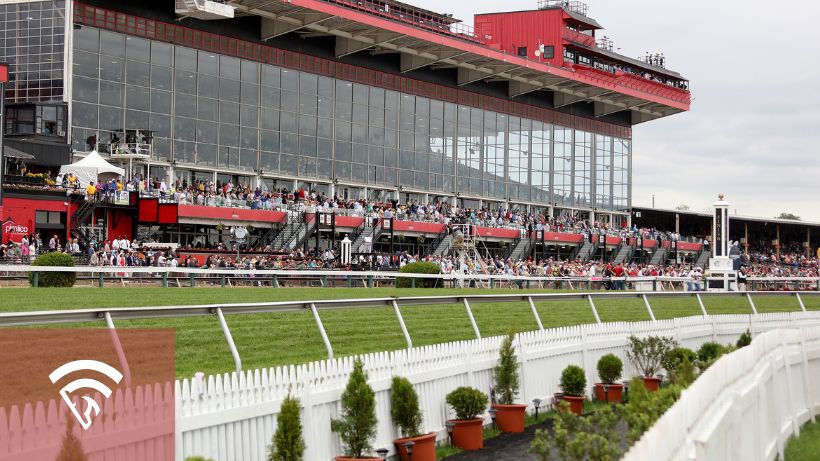
The Preakness Stakes is an annual Thoroughbred horse race restricted to three-year-olds. It is traditionally held in mid-May at Pimlico Race Course in Baltimore, Maryland, although temporary relocation is planned during Pimlico’s reconstruction.
Key details at a glance:
- Distance: 1 3/16 miles (9.5 furlongs)
- Surface: Dirt
- Purse: Typically several million dollars (varies by year)
- Field size: Usually up to 14 horses
- Triple Crown status: Second jewel
Only horses that meet age and qualification standards can compete, and most entrants arrive directly from the Kentucky Derby or key prep races.
Origin of the Name “Preakness”
The race takes its name from Preakness, a colt owned by former Maryland governor Oden Bowie. Bowie later helped establish Pimlico Race Course, and when the race debuted in 1873, it was named in honor of his horse.
Race Location, Date, and Key Details
The Preakness is traditionally run at Pimlico Race Course, one of America’s oldest tracks. During Pimlico’s planned reconstruction, the race is expected to be temporarily held at Laurel Park, ensuring continuity while modern upgrades are completed.
The race typically takes place two weeks after the Kentucky Derby, placing it squarely in the middle of the Triple Crown schedule.
The Preakness Stakes and the Triple Crown
How the Triple Crown Works
The Triple Crown consists of three races:
- Kentucky Derby
- Preakness Stakes
- Belmont Stakes
A horse must win all three in the same year to claim the Triple Crown, one of racing’s most difficult achievements.
Because the Preakness comes second, it often carries the highest emotional stakes. Derby winners arrive with momentum and massive attention, while challengers look to stop a potential sweep.
Famous Triple Crown Pursuits
Many Triple Crown dreams have ended at Pimlico. Others have stayed alive thanks to a strong Preakness performance. Horses like Secretariat, American Pharoah, and Justify used Preakness victories as critical stepping stones toward historic seasons.
Even when a Triple Crown is not on the line, the Preakness frequently produces defining moments for rising stars.
History and Evolution of the Preakness Stakes
The Preakness Stakes predates both the Kentucky Derby and Belmont Stakes, first run in 1873. Over time, it evolved from a regional race into a national spectacle.
Major Milestones in Preakness History
- First run in 1873
- Permanent move to Pimlico in 1909
- Establishment as part of the Triple Crown series
- Expansion into a weekend-long festival
The race has endured world wars, economic shifts, and changing racing landscapes, adapting while maintaining its core identity.
Notable Winners and Record Performances
Legendary horses have left their mark on the Preakness, including Secretariat, whose powerful victory helped define his Triple Crown year. Other winners are remembered for dramatic finishes, dominant margins, or unexpected upsets.
Speed records, wire-to-wire performances, and last-to-first rallies all contribute to the race’s deep storytelling tradition.
Traditions, Culture, and Festivities
The Black-Eyed Susan Tradition
Instead of roses, the Preakness winner receives a blanket of Black-Eyed Susans, Maryland’s state flower. The tradition symbolizes local pride and gives the race its own visual identity.
Infield Festivities and Attendance
The Preakness infield is famous for its party atmosphere, featuring live music, food vendors, and social gatherings. While premium seating areas focus on racing and hospitality, the infield delivers a festival vibe that attracts younger crowds and first-time attendees.
Attendance varies year to year but regularly reaches tens of thousands, making the Preakness one of the most popular sporting events in the region.
Race Day Rituals and Local Flavor
From signature cocktails to Maryland-inspired cuisine, Preakness day reflects Baltimore’s culture. Fans participate in long-standing rituals, including singing “Maryland, My Maryland” and celebrating with Black-Eyed Susan cocktails.
Race Mechanics: Distance, Entrants, and How to Watch
Who Can Run: Qualification and Field Size
Only three-year-old Thoroughbreds may enter the Preakness Stakes. Unlike the Kentucky Derby, which uses a points-based qualification system, the Preakness field is typically assembled from Derby participants and top contenders nominated by owners and trainers.
The field is usually smaller than the Derby, often between 8 and 14 horses.
Key Race Stats: Distance, Surface, and Records
The Preakness distance of 1 3/16 miles is slightly shorter than the Derby, which can favor horses with tactical speed and strong early positioning.
The race is run on dirt, and winning times often hover just under two minutes, depending on track conditions and pace.
How Fans Watch and Follow
The Preakness is broadcast nationally and streamed online, with extensive pre-race coverage. Fans can follow post-parade analysis, paddock reports, and betting markets in real time.
Notable Horses, Jockeys, and Historic Moments
The Preakness has produced unforgettable matchups and career-defining rides.
Among its most famous moments:
- Secretariat’s commanding 1973 victory
- Dramatic stretch battles that reshaped Triple Crown campaigns
- Upset wins that denied Derby champions
Elite jockeys and trainers often use the Preakness to cement their reputations, while emerging talent can gain national recognition with a strong performance.
Records for fastest times, largest margins, and repeat victories continue to be benchmarks for excellence.
Smart Betting on the Preakness Stakes with EquinEdge
The Preakness attracts heavy wagering due to its national spotlight and competitive fields. Smaller fields than the Derby can simplify analysis, but pace dynamics and recent form shifts make handicapping complex.
Modern bettors increasingly rely on data-driven approaches.
Using Pace Handicapping for Race Insights
Pace often determines Preakness outcomes. Identifying early speed, stalking positions, and potential closers helps clarify race shape. Pace handicapping highlights which horses are likely to control the tempo and which may benefit from a fast or slow early fraction.
Analyzing Past Performances for Betting
Past performance data reveals:
- how horses handled Derby traffic
- whether they improved or regressed late
- suitability for the shorter Preakness distance
Comparing recent speed figures, class levels, and recovery patterns can uncover value opportunities.
Leveraging Jockey and Trainer Stats
Certain jockeys and trainers excel in Triple Crown races. Reviewing historical success rates, win percentages, and situational tendencies adds another layer to betting strategy.
EquinEdge combines pace analysis, past performances, and jockey and trainer metrics to help bettors move beyond surface-level narratives and toward structured decision-making.
The Future of the Preakness Stakes
Impact of Track Reconstruction and Relocation
Pimlico’s redevelopment represents a major investment in Maryland racing. While temporary relocation may change the immediate fan experience, the long-term goal is a modernized venue capable of hosting world-class events for decades to come.
Preserving Tradition in Modern Racing
Even as facilities evolve, the Preakness remains rooted in tradition. The Black-Eyed Susans, Triple Crown significance, and Baltimore identity continue to define the race, ensuring its place in American sports culture.
Conclusion: Why the Preakness Stakes Matters
The Preakness Stakes occupies a unique position in horse racing. It bridges the excitement of the Kentucky Derby with the endurance test of the Belmont, often shaping the entire Triple Crown narrative in just over two minutes of racing.
With its deep history, unmistakable traditions, and evolving future, the Preakness continues to captivate fans, bettors, and athletes alike. Whether followed for sport, culture, or wagering opportunity, it remains a cornerstone of American racing and a defining moment each spring.
FAQs
When is the Preakness Stakes run relative to the Kentucky Derby and Belmont Stakes?
It’s typically held two weeks after the Kentucky Derby, making it the middle race of the Triple Crown. The Belmont Stakes follows afterward.Why is the Preakness distance considered unique, and what running styles does it tend to favor?
At 1 3/16 miles, it’s shorter than the Derby, which can reward tactical speed and strong early position. Pace and trip still matter, especially with smaller fields.How does the Preakness field get selected if it doesn’t use the Derby points system?
The race is limited to three-year-olds, and the field is commonly made up of Kentucky Derby runners plus other top contenders nominated by their connections. Field size is usually smaller than the Derby.What changes should fans expect if the race is temporarily moved from Pimlico to Laurel Park?
The Preakness is expected to be held at Laurel Park during Pimlico’s planned reconstruction, so the venue and on-site experience may shift. The race’s timing and Triple Crown role remain the same.What should bettors look for in past performances when horses are coming out of the Kentucky Derby?
Focus on how a horse handled Derby traffic, whether it finished with energy or flattened late, and whether the slightly shorter Preakness distance suits it. Recent form and recovery patterns can also signal improvement or regression.How can pace handicapping help you understand how the Preakness might be run?
Pace figures estimate which horses will be near the lead at the first call and whether a speed duel is likely. That helps you judge whether front-runners, stalkers, or closers are more likely to get the right setup.Which EquinEdge tools are most relevant for handicapping a race like the Preakness?
EquinEdge’s Pace metric, HandiView Past Performances, and Jockey & Trainer Stats can be combined to assess race shape, form, and connections. These are designed to be used together for more structured decision-making.